Kyoto: the temples, and the hours that make them possible
Kyoto is the one large Japanese city the war largely spared, which is why it carries the weight of everybody’s expectations and everybody’s camera. The place works beautifully at certain hours and not at all at others. That is the whole planning problem.
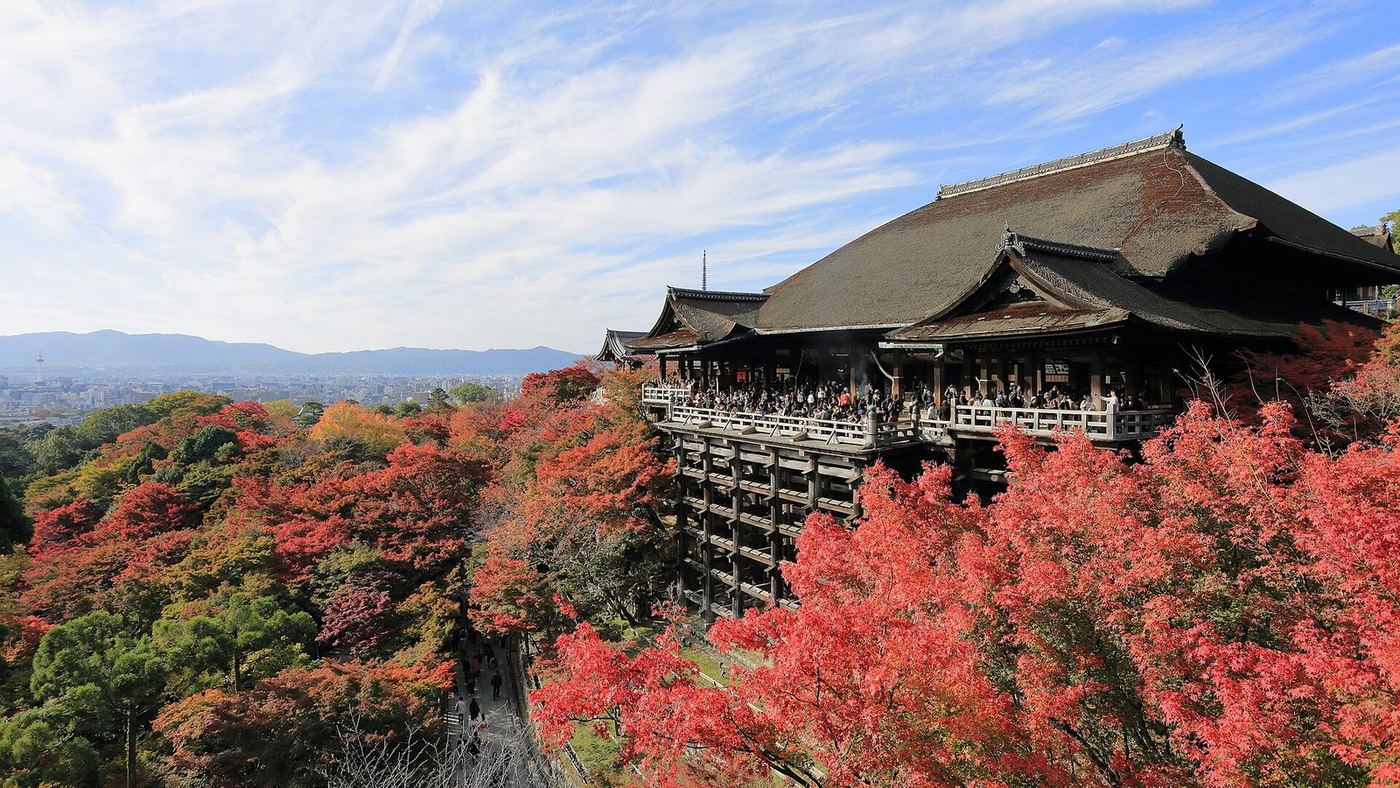
At a glance
| Country | Japan, Northeast Asia |
| Nights that work | 3 to 4 |
| Absolute minimum | 2, and only with a Nara or Osaka day attached |
| Best months | March to May, October to mid-December |
| Airport | Kansai (KIX). Kyoto has none of its own |
| From Tokyo | 2 hours 13 minutes on the quickest service |
| Local transport | Buses on two-tier fares, taxis, and a great deal of walking |
| One local rule | Marked private lanes in Gion are closed to visitors, penalties to ¥10,000 |
| Known for | Temples, gardens, and the timing that makes both bearable |
What this place actually is
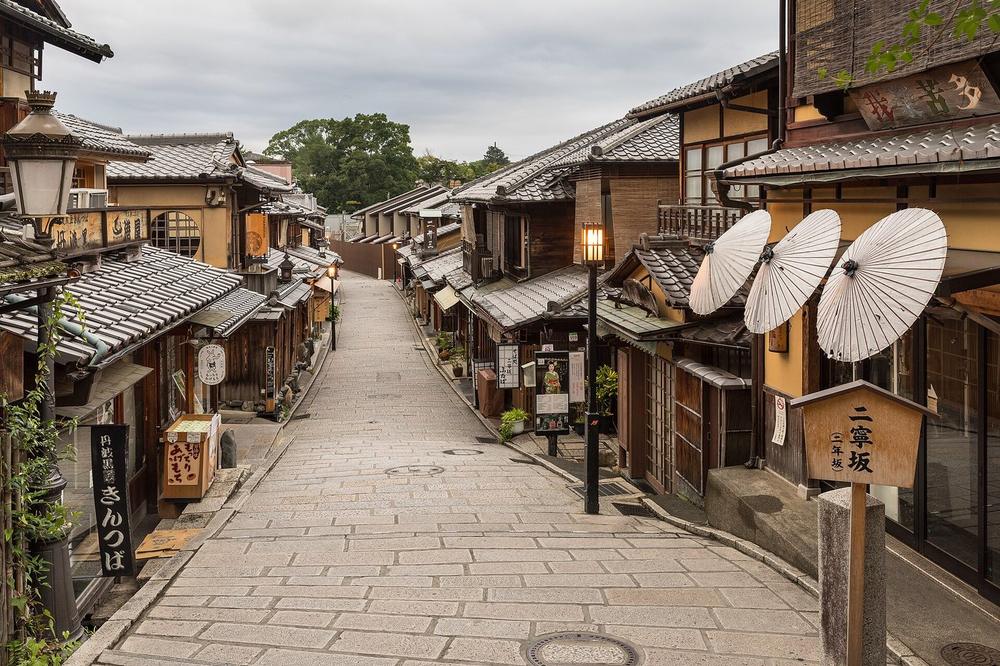
Kyoto is the large Japanese city that came through the twentieth century with most of its fabric standing, and everything good and bad about a visit follows from that single fact. It holds the country’s densest concentration of surviving temples, gardens, wooden merchant houses and craft workshops. It also holds a street plan drawn long before anybody imagined a coach party, and the two things meet each morning at about ten.
The city has stopped treating this as a public relations matter and started treating it as a policy one. Tourists and tour groups have been barred from entering certain private lanes since 29 May 2024, beginning with Kosode Koji; the signs read Private Road, Do Not Enter, and warn of a penalty as high as ¥10,000. That followed an earlier photography ban brought in after maiko and geiko were harassed in the street. The rule still stands. Gion’s main thoroughfares are open and fine to walk. Those alleys are where people’s front doors are.
A split bus fare is arriving on the same logic: ¥350 to ¥400 a ride for a visitor, where a resident holding a registered card pays ¥200, with the whole city covered by the 2027 financial year. Dedicated tourist bus lines have also been introduced on the most congested routes, towards Arashiyama, Kinkaku-ji and Nijo Castle. Reporting on whether the old one-day bus pass survives all this has been contradictory, so treat any pass advice you read as needing confirmation on the day.
The hours that do not work, and what to do instead
The window that fails opens around ten and closes around four. Inside it, the half-dozen temples everybody has heard of become queues with a garden at the end, the approach streets go single file, and every photograph you take contains somebody else taking one. Outside it, the same places are quiet. The difference is not marginal — it is the difference between a city worth four nights and a city people leave early.
- Stand at the first famous thing before seven, or at opening time if it has walls and a gate. The first forty minutes are worth the whole of the rest of the morning.
- Spend the middle hours under a roof: the city museums, a long lunch, a tea house, a craft workshop, or your own room. This is not a consolation schedule — the indoor halls of ranked statuary work at any hour, and gardens do not.
- Take the sub-temples nobody has heard of in the early afternoon. Several of the northern and eastern complexes open individual sub-temples that no coach route includes, and a number charge a small admission, which is precisely why they are empty.
- Give the late afternoon back to the famous sites as they drain, and the evening to a district rather than a monument.
The honest drawback, stated plainly: no arrangement gets you into the best-known pavilions with the place to yourself, in any season and at any price. Early starts genuinely transform the hillside shrines and the bamboo. They do not transform everything; an operator promising you an empty Kyoto is promising what it cannot deliver.
How many nights, and what breaks if you take fewer
Three nights answers the question and four answers it better. Three buys two proper days plus a half, enough for one dawn start, one temple district, one day out and one afternoon allowed to go slowly. Four adds the second dawn start, and the second is what changes people’s minds about the city, because by then they know how it behaves.
Two nights is possible only with a Nara or Osaka day attached to the stay, which is the standard trade and a poor one. Nara holds the largest objects in Japanese Buddhist art and sits forty-five minutes away, so the day earns its place; taking it out of a two-night stay leaves Kyoto itself with a single morning.
The fourth night does not add sights. It adds better hours, an unhurried lunch, and room to rearrange a day when the sky changes — which, in a city where timing is the whole product, counts for more than a better room. The arithmetic for the rest of a Japan itinerary is under how many days.
When to go
| Window | Kyoto specifically | The catch |
|---|---|---|
| Late March into April | Blossom. Provisional 2027 estimates fall between 28 March and 5 April | Unknowable ahead of time: nothing official before December 2026, and firm only a fortnight or so beforehand |
| Late April and May | Gardens fully out, warm days, the best all-round weather of the year | The busiest non-blossom weeks and the tightest hotel market |
| 4 June to 8 July | Tsuyu, and a shorter rainy season here than Tokyo gets | Humid and wet, but the moss gardens are at their finest and rooms can be had |
| Mid-July to September | Festival season, and heat | August and September are when typhoons make landfall; services on the fast lines can stop for a day |
| October and November | Clear air, comfortable walking, early colour towards the end | The single hardest window in Japan to book at short notice |
| 8 to 21 December | The autumn colour peak, forecast around 11 December 2026 | Cold and short days; the forecast was due a further refresh in early October, so confirm before fixing dates |
Kyoto is where getting the month right pays the largest dividend, and it is also where the two best months sell out first. The foliage forecast moves: the 2026 estimate placed the city’s peak roughly six days behind a long-run average that falls on 5 December, and still inside a normal range. That is exactly why a fixed date booked a year out is a gamble and a target window is not.
The season nobody books is the rains, and it suits this city better than any other. Kyoto is a place of moss, water, roofed halls and covered arcades; a wet June afternoon in a garden designed for wet June afternoons is not second best. Rooms are available, the famous sites are walkable at hours when they otherwise are not, and the whole trip costs less. What you give up is certainty about any single day.
Getting there and getting around
There is no airport. Arrivals come through Kansai, built offshore on reclaimed ground for Osaka, or overland from Tokyo, and overland is what most itineraries use. A Nozomi covers the run from Tokyo in 2 hours 13 minutes: ¥14,170 for a reserved seat, ¥13,320 unreserved. The Hikari, which is the service a Japan Rail Pass will actually admit you to, needs 2 hours 40 minutes and costs ¥13,850 reserved. Westward, Kyoto to Hiroshima is a Nozomi run of roughly 1 hour 40, with an unreserved ordinary seat at about ¥10,770.
Inside the city the buses are the historic answer and are becoming an expensive one for visitors: ¥350 to ¥400 a ride against ¥200 for a registered resident, phasing in to cover everywhere by the 2027 financial year. Tourist-only routes now serve the most congested destinations. Taxis are straightforward and, for two or more people crossing town once, frequently cheaper in time than the bus is in money. On a guided journey a car and driver makes the entire question academic.
Walking is the real transport here. The eastern temple belt is a continuous north-south walk, the centre is a grid, and the two together produce nine to eleven kilometres over a full day, with one steady climb if a hillside shrine is on the list. Two rules keep you out of trouble: stay on the through streets in Gion and do not step into the marked private lanes, and do not photograph maiko or geiko in the street.
What it costs on the ground
Kyoto is the most expensive place to sleep in Japan at four-star level, at roughly ¥20,000 to ¥35,000 a night against ¥18,000 to ¥30,000 in Tokyo, and the premium widens through the blossom and autumn peaks. Five-star runs from about ¥60,000 to well past ¥200,000. Osaka, thirty minutes away, is 20 to 40 per cent cheaper at equivalent quality, which is why the idea of sleeping there and commuting in comes up so often.
On a short stay the answer to that idea is no. The whole value of this city is being inside it at seven in the morning and again at seven in the evening, and a commute deletes both ends of the day, which is the part you came for. On a longer itinerary that already finishes with an Osaka night before a Kansai departure, the arithmetic changes and a final day trip back in costs nothing extra.
Entry fees are individually small and mount quickly across a temple-heavy day, and this is the country where they are moving. Himeji Castle, out to the west of here, has asked non-residents for ¥2,500 since 1 March 2026 while city residents pay ¥1,000 and under-18s go free, with national guidance being drafted to let other sites price the same way. Kyoto’s split bus fare is that policy in a different coat. Budget for the visitor number rather than the one on an old blog. The wider cost picture is at Japan and what a day costs.
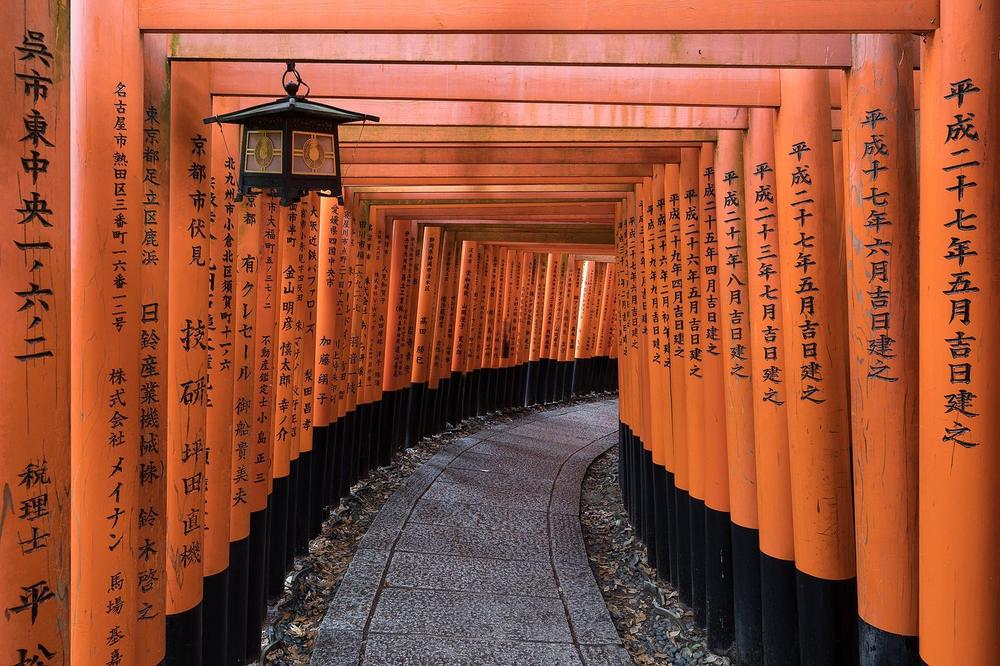
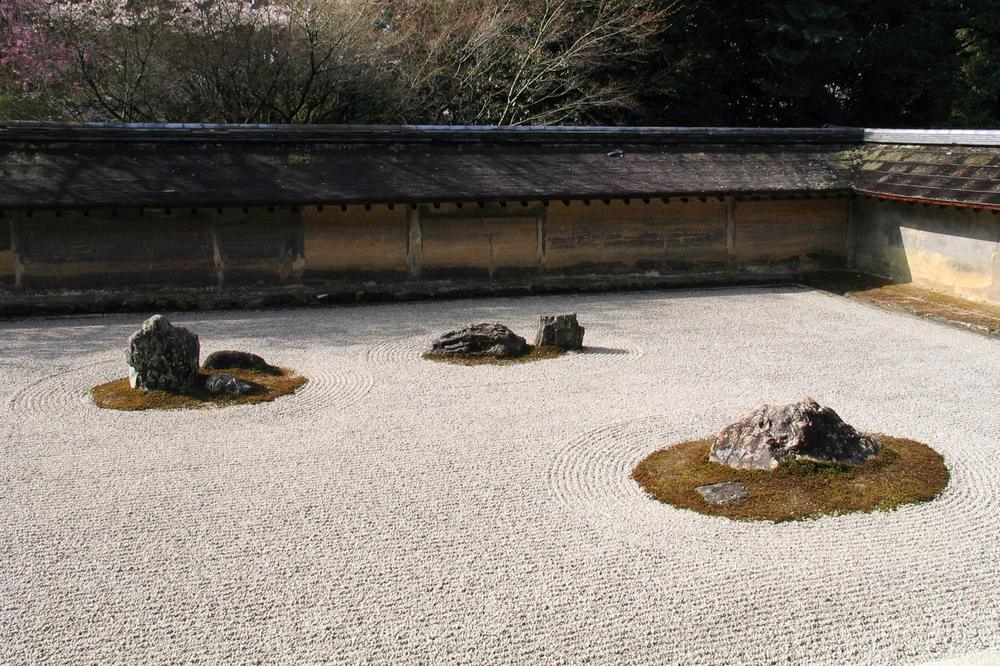
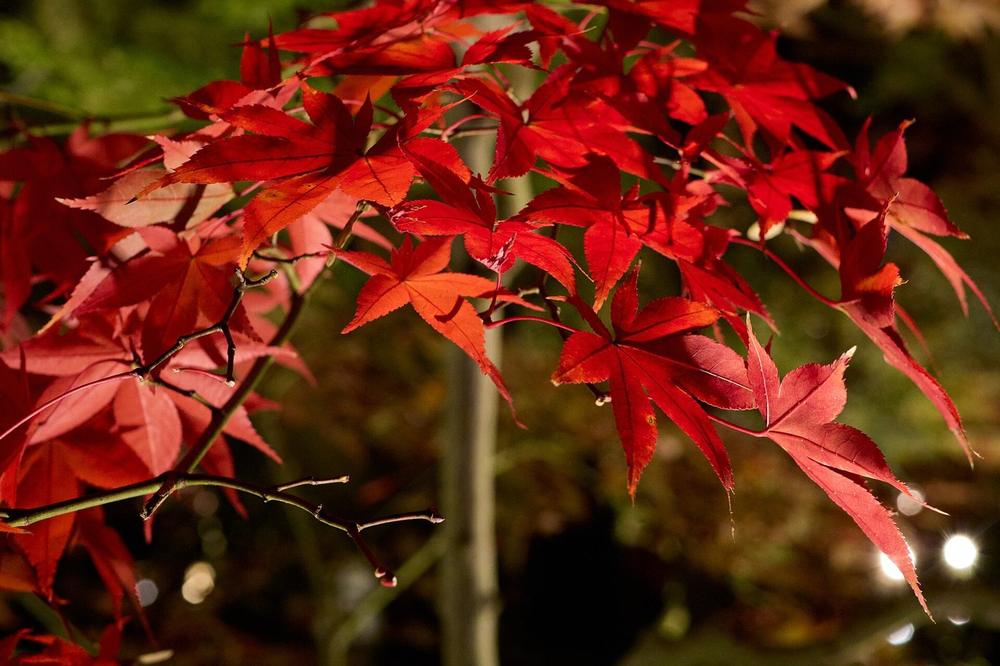
In pictures
When to skip it
- Early mornings are not going to happen. This city rewards a six o’clock alarm more than anywhere in Asia and punishes a ten o’clock start harder. If holidays mean lie-ins, give the nights to Tokyo or to western Japan.
- You want temples with nobody in them. Dawn works at the hillside shrines and in the bamboo; nothing works at the best-known pavilions whatever the hour, and we would rather say so than sell you a promise.
- Your dates are pinned to blossom or to peak colour. Both windows move, one of them by a fortnight, and this is where the disappointment costs most, because hotel rates are at their highest exactly then.
- You are travelling on a tight budget. This is the priciest bed in the country and the visitor fare structure is heading up rather than down.
- You have done the classic route once already. Western Japan holds hot spring towns, the Nagasaki harbour and the art on the Inland Sea islands, with none of these queues, and it makes a better second trip than a repeat of this one.
Journeys that go here
Japan in 12 days gives Kyoto four nights, which is the number this page argues for, and builds them around dawn starts and roofed afternoons rather than around a list. Japan and South Korea in 18 days also gives it four, with Kanazawa on the way in.
The journey that leaves the city out on purpose is Kyushu and the Setouchi in 11 days, and it exists because a return trip spent queueing again is a wasted fortnight. For where Kyoto sits in the country as a whole, read Japan; for the city most people pair it with, Tokyo.
Three nights or four?
Tell us your month and whether gardens or temples matter more, and we will tell you which hours of which days are worth protecting.
Questions travellers ask most
How early is early enough?
At the hillside shrines and in the bamboo, between half past six and seven. Any crowd thins to nothing within the first quarter of an hour of a climb, and by nine the lower sections are shoulder to shoulder. At walled compounds, opening time is the equivalent, because you cannot get in before it.
The second half of the rule matters as much: be under a roof from about ten until four. Museums, workshops, a long lunch, or the hotel. Then come back out at four, once the day-trippers have started for their trains.
What are the rules in Gion?
Main streets, yes. Marked private lanes, no. Since 29 May 2024 tourists and tour groups have been barred from certain private alleys, starting with Kosode Koji, and the notices put the possible penalty at ¥10,000. It followed a photography ban brought in after repeated harassment of maiko and geiko.
The reason the rule exists is that people live and work behind those doors. Walk the through streets in the early evening, which is when the district is at its best in any case, and do not photograph anyone in costume without being invited to.
Can we sleep in Osaka and visit Kyoto by train?
You can, and it takes 20 to 40 per cent off the room. On a two or three-night Kyoto stay we would still advise against it. The entire method for this city is being inside it before seven and out again after four, and a commute erases both ends of the day while adding two train journeys.
One case makes sense: a longer itinerary that already ends with an Osaka night before a Kansai departure, where a last day trip back in costs nothing additional. That is a different arrangement from basing yourself there.
When does the autumn colour actually peak?
Later than most people book for. The 2026 forecast put the peak here at about 11 December, some six days behind an average that falls on 5 December, and still within a normal range. The sensible target window is 8 to 21 December, and a further refresh of the forecast was due in early October.
Which means the crowded weeks of mid-November are frequently too early for the best colour in the city itself. If leaves are the reason for the trip, take December, accept short cold days, and enjoy the hotel rates and the walking pace that November cannot offer.
Read next
Tell us about the journey you have in mind
Dates, party size and the places you care about are enough to start. You get a draft route and an indicative price, not a brochure.