Tokyo, Hakone and four nights in Kyoto, timed against the crowds
The first Japan, planned by people who know what time the famous places stop being walkable. Four nights in Tokyo, a ryokan in the mountains, four in Kyoto, Hiroshima and Miyajima, and out through Osaka.
At a glance
- Duration
- 12 days, 11 nights
- Party
- Private, 2 to 8
- Starts
- Tokyo
- Ends
- Osaka
- Difficulty
- Easy, 8 to 12 km of walking a day
- From
- USD 6,400
This is the route almost everyone takes on a first visit, and there are good reasons for that: it strings together the two cities Japan is actually about, the mountains between them, and the one place in the country where the twentieth century is unavoidable. The route is not the differentiator. The timing is.
Kyoto holds something in the order of 1,600 temples and receives visitors in numbers no medieval street plan was built for. Between about ten in the morning and four in the afternoon its famous sites are queues with gardens attached. Our Kyoto days start before seven and put the middle of the day somewhere with a roof and a floor to sit on. That single decision is worth more than any hotel upgrade on this itinerary.
You have a Japanese national guide, not a flag-carrier, and a private driver in each city. Shinkansen seats are reserved rather than taken on the day, and your main bags are forwarded ahead of you between Tokyo, Kyoto and Osaka so that no transfer involves dragging a suitcase up a station staircase. At this daily rate those are the things that ought to be included, and they are.
Day by day
Japan’s international departure tax tripled to ¥3,000 a person on 1 July 2026. It is collected inside your airline ticket, not at the counter, so there is nothing to pay at the airport — but the money is in your fare. Separately: there is no Japanese ESTA to apply for. JESTA is not live and is not expected before the 2028 financial year, and any website charging you to pre-register for Japan today is selling you nothing. The 90-day visa waiver for US, UK, EU and Australian passports is unchanged.
Arrive Tokyo
Met at Haneda or Narita and driven in. Haneda is the closer of the two by a wide margin; if your airline offers both for the same money, take Haneda and buy yourself back most of an afternoon.
Nothing is scheduled. The advice we give is to stay upright until a normal bedtime and to eat something at a counter rather than in a restaurant — a bowl of soba standing up in a station basement is a better first meal in this country than anything you could book.
The east side of the city
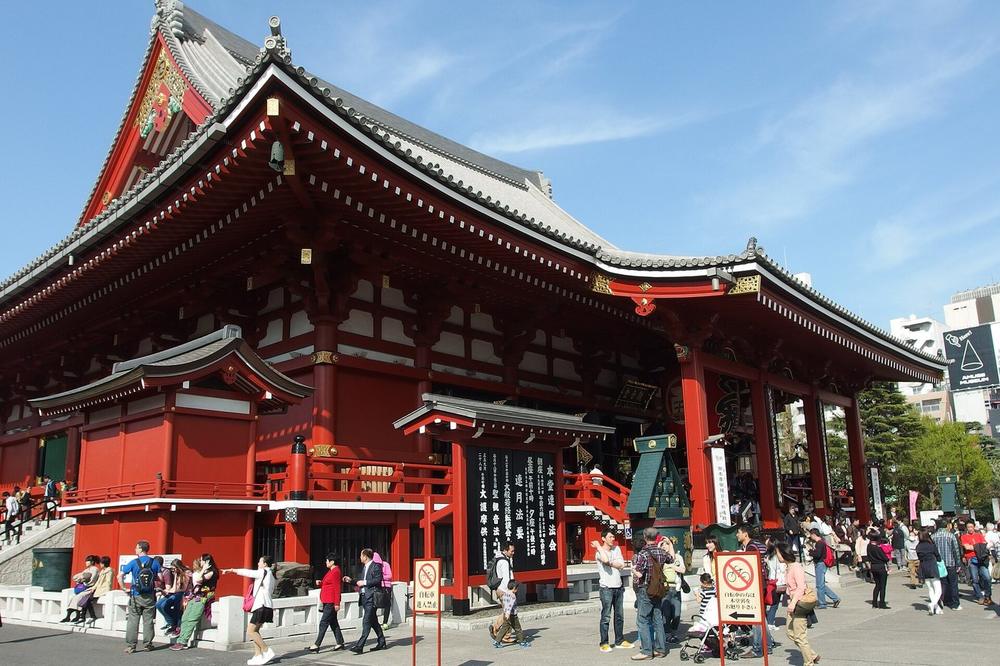
Asakusa at half past seven, when the approach to Senso-ji belongs to people sweeping it, then east across the river into Kiyosumi and the low streets of Fukagawa, where the timber-and-tile Tokyo that survived both the great earthquake and the war still exists in fragments.
The afternoon is Yanaka: a hillside of small houses, a cemetery full of cherry trees, and a shopping street that sells food to residents rather than souvenirs to visitors. A full private day guide in Tokyo is quoted at ¥60,000 to ¥80,000 for the party, not per person, and that cost sits inside your price rather than beside it.
The west side, and the modern city
Meiji Jingu through the forest gate at opening, then Harajuku, Omotesando and the residential streets behind it, which is where the architecture worth looking at actually is.
The afternoon is yours and the choice is genuine: the Nezu Museum and its garden, the Shimokitazawa second-hand streets, or teamLab, whose adult tickets start at ¥3,600 and rise on peak dates under dynamic pricing — we book a specific slot in advance because the same ticket on the door costs more and may not exist.
A day out of Tokyo
Two choices and no wrong answer. Nikko is roughly two hours north and holds the most heavily decorated religious complex in Japan, set in cedar forest that makes it bearable in summer. Kamakura is under an hour south, sits on the sea, and is the softer day: temples in valleys, a walking trail between them, and lunch by the water.
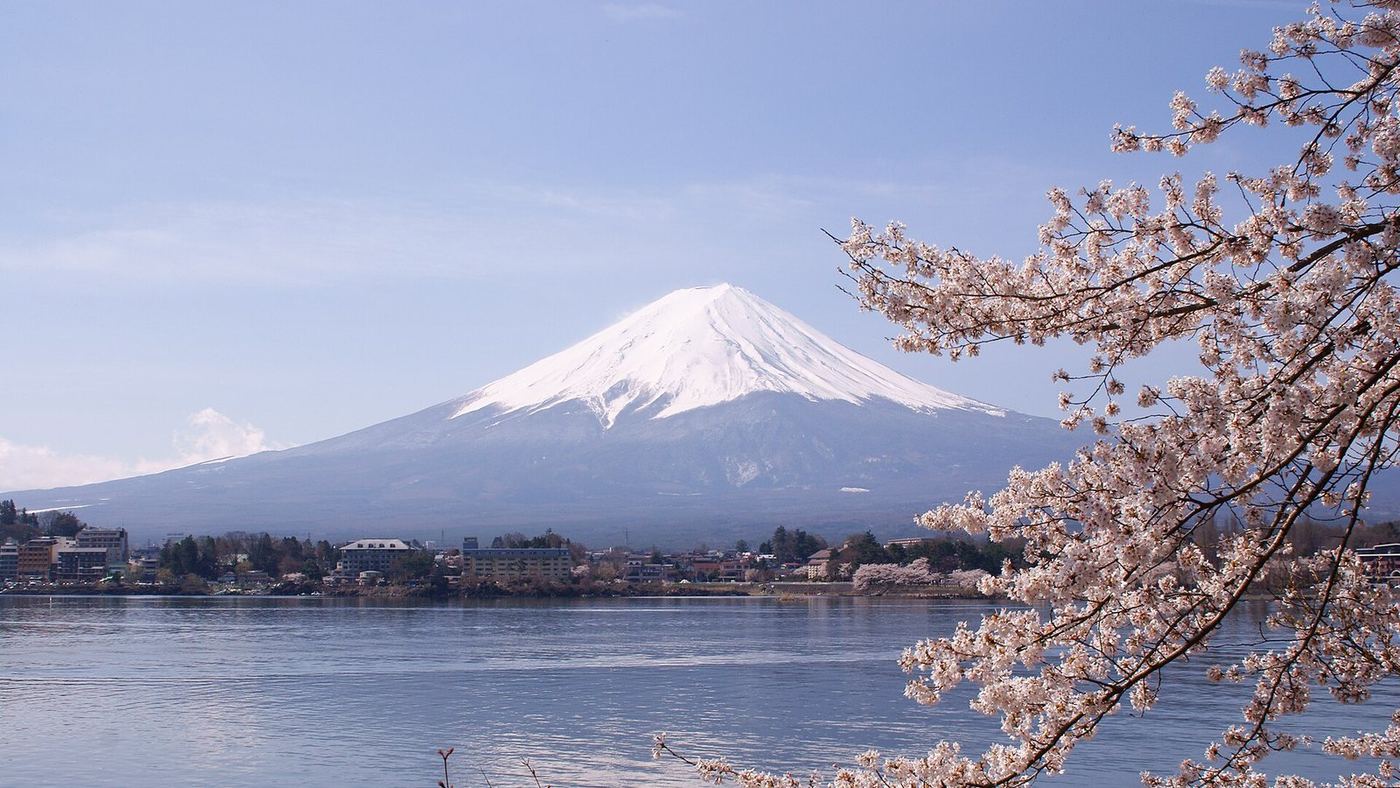
Neither day includes Mount Fuji, and this is worth saying plainly. Climbing it now costs ¥4,000 on all four trails, requires online pre-registration, and the Yoshida trail is capped at 4,000 climbers a day. A climb needs its own two days and a July or August departure. Seeing the mountain, on the other hand, is a matter of weather, and tomorrow is the better chance.
Tokyo to Hakone, and a ryokan night
Your main luggage goes ahead to Kyoto this morning and reaches the hotel there the following afternoon; you carry an overnight bag. Hakone is a caldera of hot springs an hour and a half south-west, and the day between is a pleasure rather than a transfer: the open-air sculpture museum, the ropeway over the sulphur vents at Owakudani, and the lake, which returns the famous view of Fuji on the days the mountain is out.
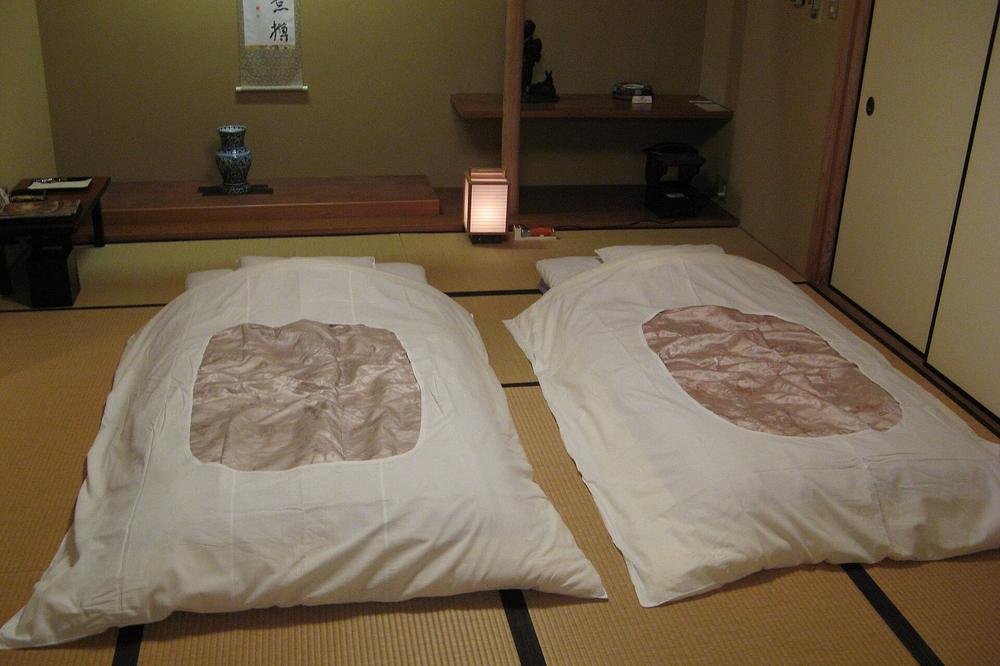
The night is a ryokan — tatami, futon laid while you are at dinner, a multi-course kaiseki served in sequence, and hot spring water piped from under the valley. We book properties with private baths attached to the room as well as the communal ones, which solves the tattoo question and the modesty question in one move. The house is named in your quote.
Hakone to Kyoto
Down to Odawara and onto the Shinkansen. For reference, the fastest Nozomi runs Tokyo to Kyoto in 2 hours 13 minutes at ¥14,170 in a reserved seat; joining it at Odawara takes a slice off that. Seats are booked, forward-facing, with the luggage space behind the last row that you cannot get on the day.
Kyoto by early afternoon. The first outing is deliberately gentle: the covered length of Nishiki, then Gion at dusk. One rule there, and it is enforced: since May 2024 visitors are banned from the private lanes off the main streets, with signs threatening fines of up to ¥10,000. Hanamikoji and the main thoroughfares are fine. The narrow side alleys are people’s front doors.
Kyoto: the early morning that makes the city work
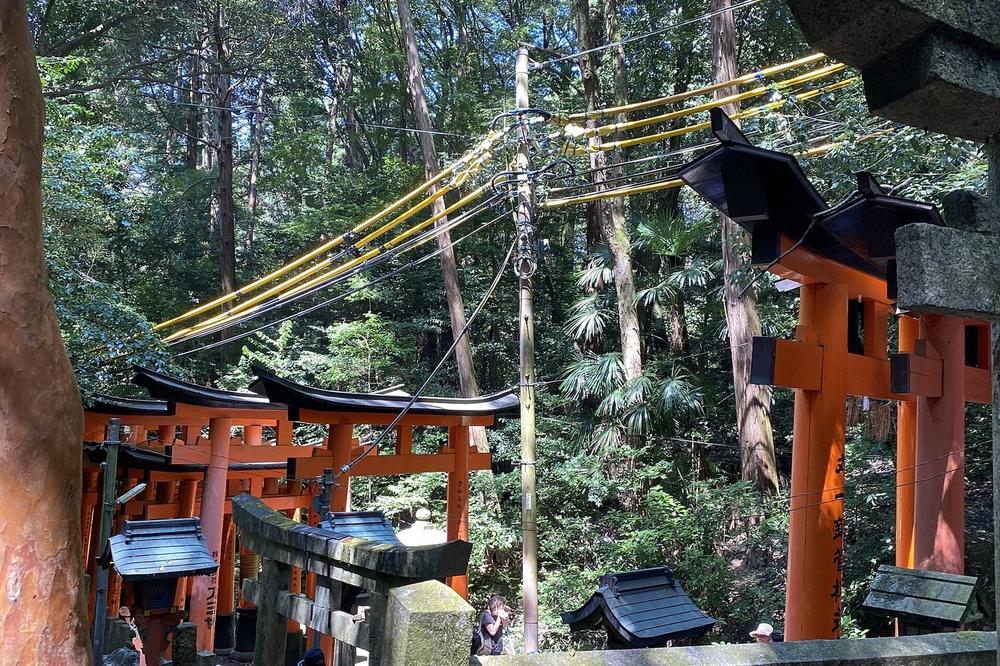
Fushimi Inari at half past six. The gates run in a long loop up the hillside and the crowd thins to nothing after the first fifteen minutes of climbing; by nine the lower tunnels are shoulder to shoulder and the photographs are of other people photographing.
Tofuku-ji next, for the bridge and the modernist dry gardens, then a long lunch and the middle of the day indoors — the Kyoto National Museum, or a tea house, or your own room. Late afternoon at Sanjusangen-do, whose ranked hall of gilded figures is indoors rather than in a garden and works at any hour.
Nara
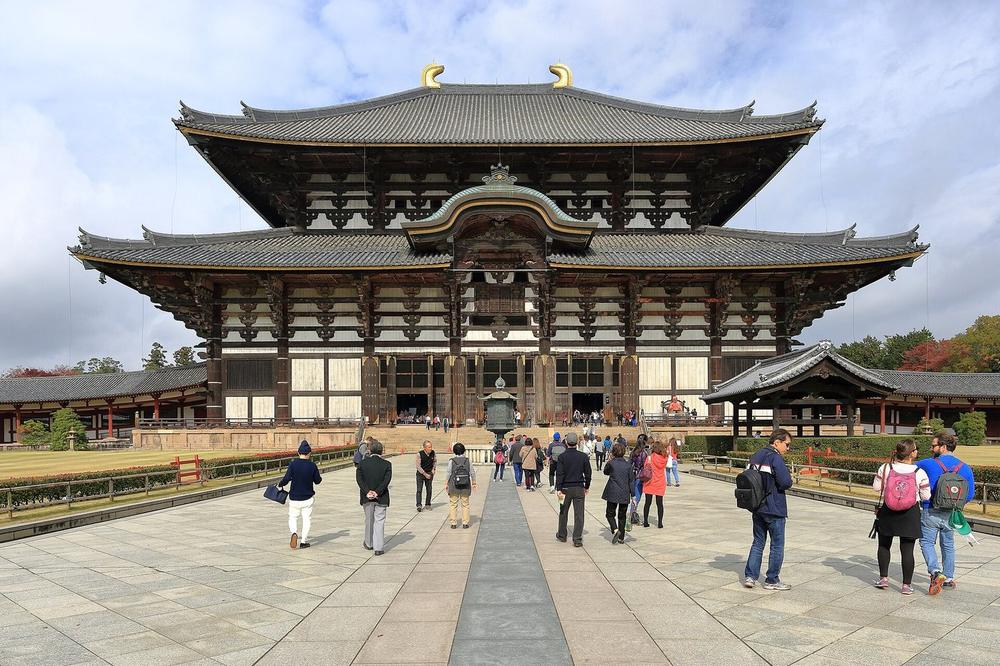
Forty-five minutes south. Nara was the capital before Kyoto was and it holds the bigger objects: the Great Buddha at Todai-ji, housed in a timber hall that is itself worth the trip, and the lantern avenues of Kasuga Taisha in the woods behind it.
The deer are not a petting zoo. They are wild animals conditioned to expect food, they head-butt, and the warning signs are in several languages for a reason. Buy the biscuits if you want, and do not tease.
Back in Kyoto for the evening, which is free.
Arashiyama early, and the quiet north
The bamboo groves at Arashiyama are pleasant at half past seven and unpleasant at ten, and there is nothing more to say about them than that. We go early, walk through to the Okochi Sanso garden, which charges admission and is consequently empty, and take the river back.
The afternoon is the northern temples: the sub-temples of Daitoku-ji, several of which open individually and none of which appear on a coach route, and the stone garden at Ryoan-ji if the day is cool. Note in passing that Kyoto is phasing in two-tier bus fares — roughly ¥350 to ¥400 a ride for visitors against ¥200 for residents with a registered card. You will not meet it on this journey, because you have a car and a driver.
Kyoto to Hiroshima and Miyajima
The Nozomi covers Kyoto to Hiroshima in about an hour and forty minutes. Bags go ahead to Osaka. The Peace Memorial Museum takes the early afternoon and it is not an easy two hours; the exhibition was rebuilt to put personal objects first and it does not editorialise, which is what makes it hard.
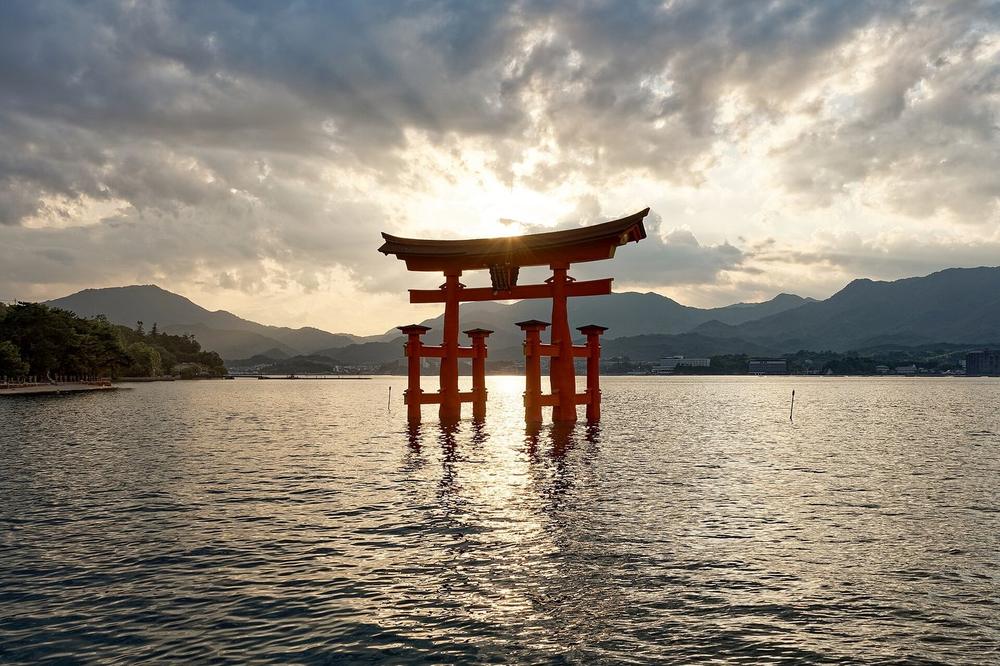
Then the ferry to Miyajima in the late afternoon, when the day-trippers are going the other way. The torii stands in the water at high tide and on wet sand at low tide, and which you get is set by the tide table months in advance, so we check it when we fix your dates and put you there for the better one.
Himeji, then Osaka
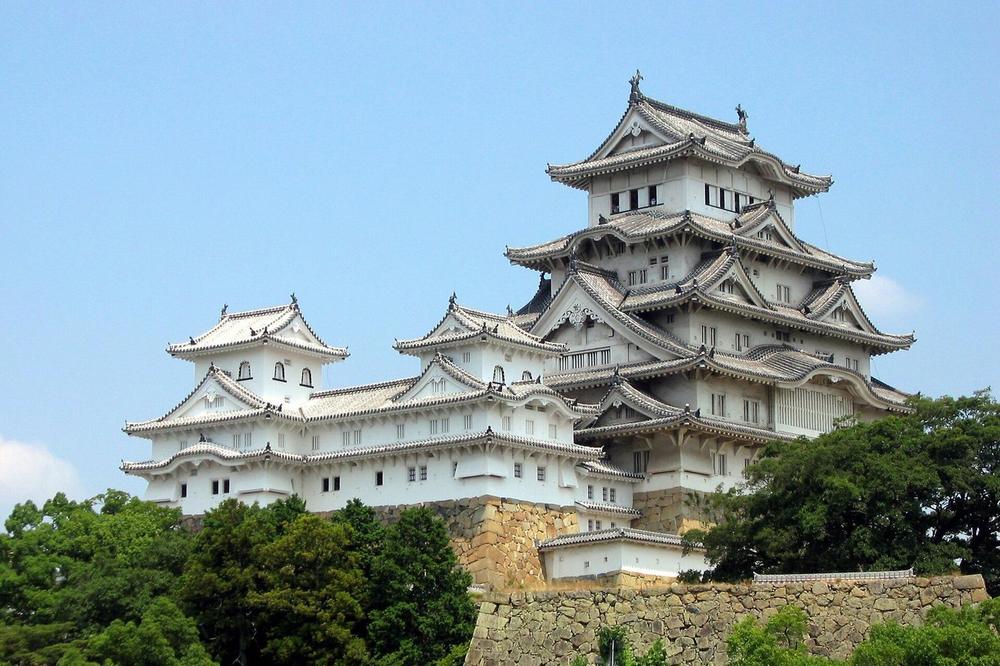
Himeji is on the line back east and it is the finest surviving castle in Japan — white, original, never burned, and steep inside. Be ready for the ticket: since 1 March 2026 non-residents pay ¥2,500 against ¥1,000 for residents of the city, with under-18s free. It is included in your price, and we would rather you heard the number from us than at the gate. Dual pricing of this kind is spreading across Japanese sites and will not be the last of it.
Osaka by mid-afternoon. It is the least beautiful and the most enjoyable of the three cities on this route, and the evening is spent eating standing up in Shinsekai or Ura-Namba rather than looking at anything.
Depart Osaka
Kansai airport is on an artificial island about an hour out and the road can be slow, so departures before eleven get an early start rather than a rushed one. Your forwarded luggage is at the hotel and has been since the day you arrived.
What it costs
| Party size | Comfortable | Considered |
|---|---|---|
| 2 travellers | USD 8,700 | USD 11,850 |
| 3 – 4 | USD 7,250 | USD 9,850 |
| 5 – 8 | USD 6,400 | USD 8,700 |
Japan sits in our highest country band, USD 480 to 650 per person per day, and it is worth being explicit about where that goes. Rooms are the largest single line: a four-star night in Tokyo runs roughly ¥18,000 to ¥30,000 and Kyoto commands a premium above that in the autumn and blossom peaks, while Osaka comes in 20 to 40 per cent cheaper for the same quality, which is one reason the last night is there.
The rest is the guide, the driver, the reserved seats and the ryokan, which is priced per person with two meals and is not comparable to a hotel night. Two travellers pay 36 per cent more per head than a party of five for the arithmetic reason that a car and a guide cost the same either way.
One useful comparison for anyone weighing this against Europe: at the current exchange rate Japan buys materially more hotel and considerably better food per dollar than France or Italy. It is expensive against Southeast Asia and good value against the West. The full breakdown sits on the prices page.
What is and is not included
What the price includes
- Eleven nights as listed, named by property in your quote, including the Hakone ryokan with a private open-air bath
- A Japanese national guide throughout, and a private car and driver in each city
- Reserved Shinkansen seats on every rail leg, booked in advance rather than taken on the day
- Luggage forwarding between Tokyo, Kyoto and Osaka, so no transfer involves a suitcase on a staircase
- All entrance fees named in the itinerary, including Himeji at the ¥2,500 non-resident rate and a timed teamLab slot if you choose it
- The Miyajima ferry, and airport transfers at both ends
- Breakfast daily, the kaiseki dinner at Hakone, and the lunches listed day by day
What it does not include
- International flights into Tokyo and out of Osaka. The ¥3,000 departure tax is inside your airline ticket
- A visa: US, UK, EU and Australian passports enter for 90 days without one, and there is nothing to pre-register
- Travel insurance, which we require and do not sell
- Meals not listed above, and all drinks
- A Japan Rail Pass, which does not pay for itself on this route — see the questions below
- Tips, which are not customary in Japan and which we ask you not to leave
The journey in pictures
Who this journey is wrong for
- Anyone booking specifically for cherry blossom. The 2027 bloom in Tokyo, Kyoto and Osaka is provisionally forecast for around 28 March to 5 April, but the first official estimate does not appear until December 2026 and the dates are only reliable two to three weeks out. We will build a blossom trip with buffer nights and flexible rates. We will not sell you a guaranteed date, and anyone who does is guessing with your money.
- Travellers whose only free window is June or early July. The rainy season runs 7 June to 20 July in Tokyo and 4 June to 8 July in Kyoto and Osaka, and August into September is when typhoons actually reach Japan and suspend the Shinkansen.
- Anyone who wants to see Kyoto’s famous temples without other people in them. We can put you at Fushimi Inari at half past six and at Arashiyama before eight, and that genuinely works. Nothing puts you inside Kinkaku-ji alone at any hour, and we will not claim otherwise.
- Parties who want to unpack once. Four bases in eleven nights, with a one-night ryokan and a one-night stop in Hiroshima, means two mornings that begin with repacking.
- Anyone expecting the price on the sign to be the price they pay. Himeji now charges non-residents ¥2,500 against ¥1,000 for residents, Kyoto is phasing in visitor bus fares of ¥350 to ¥400 against ¥200, and the national tourism agency is drafting guidance to let more sites do the same. If that arrangement offends you, it will keep offending you for twelve days.
How this compares
| Journey | Days | Where | From |
|---|---|---|---|
| Japan, the classic route | 12 | Tokyo, Kyoto, Hiroshima, Osaka | USD 6,400 |
| Japan, Kyushu and Setouchi | 11 | Fukuoka, Nagasaki, Hiroshima, Osaka | USD 5,900 |
| Japan and South Korea | 18 | Tokyo to Seoul | USD 9,400 |
| South Korea | 9 | Seoul to Busan | USD 3,900 |
If this is a second visit to Japan rather than a first, the Kyushu and Setouchi route is the better buy: onsen towns, Nagasaki and the art islands, without a single queue you have already stood in. If it is a first visit, take this one and save the other for later. More on the country itself under Japan, on the two cities under Tokyo and Kyoto, and on months and crowds under when to go.
Tell us your dates
Send the month, the number of travellers, and whether blossom or autumn colour matters to you. A first draft itinerary comes back within two working days.
Questions travellers ask most
Do we need a Japan Rail Pass?
Not on this route, and the arithmetic is not close. A 7-day ordinary pass costs ¥50,000. Point-to-point tickets across a Tokyo, Kyoto and Hiroshima trip come to roughly ¥39,520 return, so the pass loses money before you start. It only begins to pay once the route stretches further — adding Fukuoka pushes point-to-point to about ¥56,000, at which point the pass saves around ¥6,000.
There is a second reason to skip it here. The pass does not cover the Nozomi, which is the fastest service on the Tokaido line, so a pass holder waits for a Hikari and gives back half an hour on each leg. We buy Nozomi seats and hand you the tickets. Note also that passes bought through overseas agencies rise by ¥3,000 to ¥5,000 from 1 October 2026, which widens the gap further.
Is four nights enough in Kyoto?
Four is the point at which the city stops being a temple list. Three works if you accept that Nara becomes a half day or disappears. Two is a mistake we will talk you out of.
What four nights buys is not more sights but better hours: two dawn starts, two unhurried afternoons, and the freedom to move a plan when the weather turns. In Kyoto the schedule is the product.
Autumn or spring?
Autumn is the safer bet and it is the one we push. Kyoto’s foliage peak for 2026 was forecast at around 11 December, some six days later than the long-run average of 5 December, which puts the sensible target window at 8 to 21 December. Forecasts are refreshed through October and we watch them.
Spring is lovelier and far less reliable. Blossom is a fortnight that moves, and recent years have run early. If your dates are fixed and your heart is set on blossom, book the last week of March into the first week of April, hold flexible hotel rates, and accept that you may get bare branches or green leaves.
How much walking is there, and can the pace be reduced?
Between eight and twelve kilometres on a full day, most of it flat, with two exceptions: the climb at Fushimi Inari and the interior stairs at Himeji Castle, which are steep, wooden and one-way.
The pace comes down easily. With a car and driver in every city we can cut a day to a single site plus a long lunch, and both climbs have a version that stops halfway. Tell us at the enquiry stage rather than on day three, and we will draw the itinerary differently from the start.
Read next
Tell us about the journey you have in mind
Dates, party size and the places you care about are enough to start. You get a draft route and an indicative price, not a brochure.