One visa, and four or five countries behind it
This page does not sell a route. It sets out how the country behaves: which months work in which half of it, what the entry fees actually are, why Delhi’s winter air changes the shape of an itinerary, and the point at which adding a region stops adding anything.
At a glance
| Region | South Asia |
| Nights that work | 10 to 16, for one region rather than the country |
| Best months | November to March in the north; December to February in the south |
| Worst months | May and June in Rajasthan; June to September in the monsoon |
| Main airports | DEL Delhi, BOM Mumbai, COK Kochi |
| Entry | e-Tourist visa, online, from USD 10 |
| Ground cost | USD 190 to 300 per person per day, land only |
| Pairs with | Nepal, Bhutan, Sri Lanka |
What this country actually is
India is not a destination in the sense that Bhutan is a destination. It is a subcontinent with several distinct travel propositions inside it that share a currency, a railway and a visa, and almost nothing else that a visitor would notice. The mistake most first trips make is treating the word "India" as though it named one thing that a fortnight could cover.
The north is Mughal and Rajput: sandstone, marble, walled cities, desert distance and a great deal of noise. The south is water and green and much quieter, with churches and communist party flags in the same street and no monumental architecture to speak of. The east is a third proposition again, and the Himalayan north a fourth. Choosing one and giving it your whole fortnight is how India works. Sampling three of them is how a fortnight becomes a series of airports.
Two things about the country are worth saying before anybody books, because a brochure will not say them and a good guide will.
The first is that India is visually confronting on the way to almost everything. There is poverty on the road into every city, there are hands at the car window at traffic lights, and the gap between the hotel and the street outside it is wider here than anywhere else on this site. Nobody who has travelled well in India describes it as restful. Most describe it as the trip they think about most.
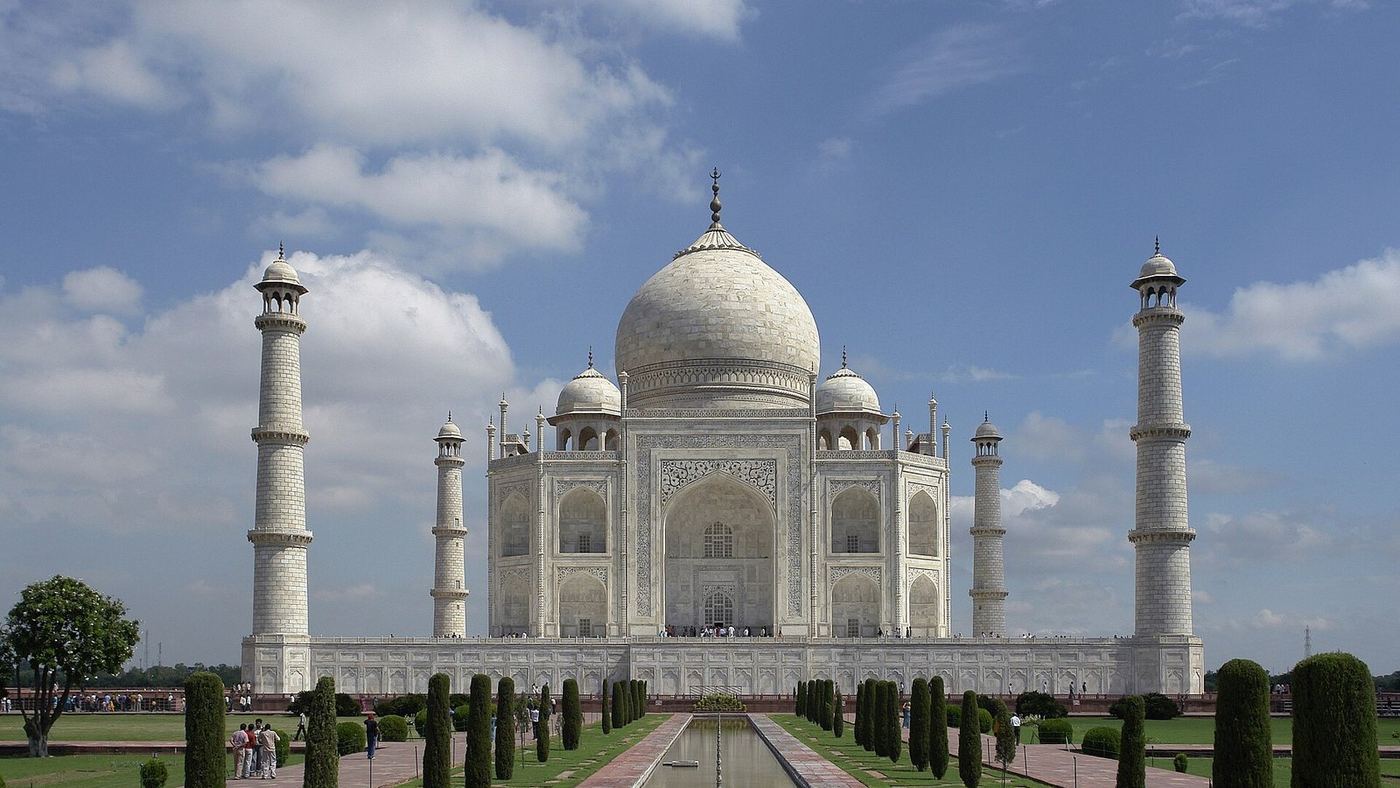
The second is that the famous buildings are under pressure and are not in the condition the photographs suggest. The Taj Mahal is not the colour it gets printed in. Decades of airborne pollution, of dust, and of biological growth rising off the river alongside it have turned patches of the marble yellow and green; roughly a third of the conservation posts at the agency charged with looking after it have been standing empty; and the courts have been leaning on ministers over the whole business since long before anyone reading this booked a flight. The building is open. It is everything people say. It is also not white.
How many nights, and what breaks if you take fewer
Ten nights is the working floor for one region done at a walking pace. Sixteen covers a region thoroughly, or two regions with a domestic flight between them and no sense of hurry. Below ten, the arithmetic starts eating the trip rather than the itinerary.
Here is the arithmetic. Rajasthan’s cities are three to six hours apart by road, and those distances are why the state built forts rather than suburbs. The Yamuna Expressway covers the 230 km down to Agra in three to three and a half hours once you are on it, and clearing central Delhi to reach it adds another half hour at the front. Jaipur is a shade over three hours now the new expressway is open. Four transfers of that order is a normal twelve-day route. Cut it to eight days and you have not removed a transfer — you have removed the second night in the places worth two.
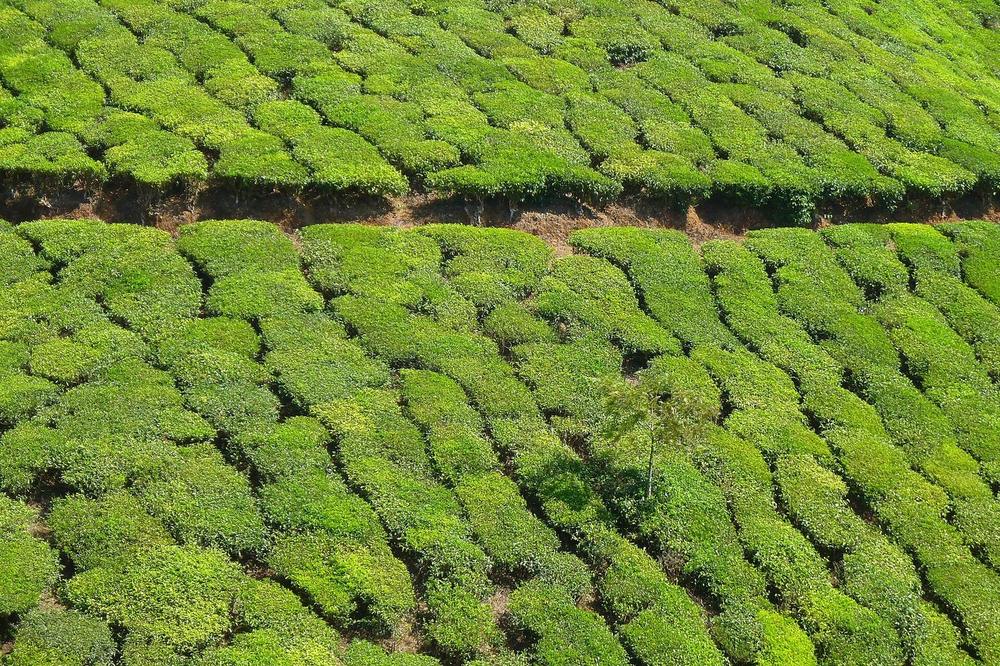
The south is slower for a different reason. Kerala’s distances are short and the roads through the Western Ghats bend far more than they climb, so four hours is what four hours is regardless of the map. Nine nights is close to the minimum for the coast, the tea country, a reserve and the backwaters.
What breaks first, when nights come out, is always the same thing: the second morning. One night in a place buys you an arrival and a departure. Two buys you a morning in it before anybody else is up, which in India is the half of the day worth having.
The honest version of the multi-region question is on how many days, which does the same sum for every country we sell.
When to go, and what the wrong months give you back
| Months | The north | The south | The trade |
|---|---|---|---|
| November to January | Cool, dry, and the worst air of the year in Delhi | Dry and warm; the best weeks Kerala has | Peak rates. Rooms in Rajasthan go months ahead |
| February and March | The pick of the year: warm days, cold-ish nights, clean light | Dry, and hot by the middle of March | Still peak, and worth it |
| April to June | Extreme daytime heat; a Rajasthani fort at midday is not travel | Humid, and the monsoon reaches Kerala first | The 30-day e-visa costs USD 10 rather than USD 25, and hotel rates fall hard |
| June to September | Monsoon across the plains | Monsoon; green, cheap and genuinely wet | Ladakh and the high north are at their best, and Kerala in the rain is a real thing rather than a consolation |
| October | The monsoon withdrawing, air still clean in the first half of the month | Rain easing off | The shoulder week most itineraries skip |
Two seasonal facts do more work than the rest. The first belongs to Delhi and it is a season rather than a permanent condition: the capital’s air deteriorates sharply from about October and does not clear until late January. Crop burning in the states upwind arrives at the same moment as the winter inversion that stops anything rising, with traffic and construction dust sitting underneath both. The city was back among the world’s ten most polluted in October 2025 on a reading above 200, against an annual average of roughly 178 the year before, which is already inside the unhealthy band.
The right response is neither to cancel nor to keep quiet about it. In that window the city is worth seeing in the two hours after sunrise and worth leaving alone in the afternoon; the route should turn west into Rajasthan or south towards Kerala within a day or two of landing; and a second night in the capital should be doing arrival-buffer work rather than sightseeing work. Where somebody in the party has asthma or a cardiac condition, the adjustment is a single Delhi night at the start and the recovered time spent in Udaipur. A quote for November that never raises any of this has either not considered it or is counting on you not to.
The second is that the south runs on its own calendar, and the accident is useful: the dry window in Kerala is broadly December to February, which is precisely when the north is at its dirtiest. A traveller who can only come in January is better served by the south, and we would rather say so than sell the wrong half of the country in the wrong month. The full year across Asia is on when to go.
Getting there, and getting around
Three airports carry almost everything. Delhi (DEL) is the door to the north and to the Himalaya; Mumbai (BOM) is the better arrival for the west; Kochi (COK) puts you in Kerala without a domestic transfer. Long-haul arrivals land late at night or before dawn with tiring regularity, which is why the first hotel night should be held from the previous morning rather than booked for the day of arrival.
Entry is by e-Tourist visa and the whole business happens online. What you pay depends on when you land rather than when you apply: an arrival inside the April-to-June window is USD 10 for thirty days, an arrival in any other month is USD 25, and the one-year document is USD 40. Three per cent goes on top of whichever figure applies, which is the bank’s cut rather than the government’s. India charges by nationality under a reciprocal schedule and British passports sit above American, European and Australian ones on it, so a UK party should take its number from the official calculator instead of from an agency page quoting the US rate.
On timing: applications open 120 days out and close four days before you arrive, and most are decided inside about three days. A month ahead is comfortable. A week ahead is a bet on there being no public holiday. The longer-validity versions cap you at 180 days of stay in any calendar year, a limit almost nobody reaches and a few people discover the hard way.
On the ground, a car with a driver is the default and it is not extravagance: a sedan comes to something like USD 45 to 60 a day and an Innova-class SUV to USD 65 to 90, and those figures already carry the fuel, the tolls, the parking and what the driver is paid to be away from home. A site guide is engaged separately, by the day or by the monument.
Trains are the other real option and they are better than their reputation, with one procedural catch. Foreign passport holders can book under the Foreign Tourist Quota up to 365 days ahead, against a passport, where the general quota opens at 120 days; the last-minute Tatkal quota exists but is thin and priced accordingly. Registering an account usually snags on the requirement for an Indian mobile number, and an e-ticket cannot be changed — only cancelled and rebooked. This is exactly the kind of administration worth handing to somebody who does it weekly.
Onward by air, Delhi to Kathmandu is about 819 km and an hour and a half to an hour and fifty in the cabin, with IndiGo running it four times a day, Air India three and Nepal Airlines alongside them. That short hop is why Nepal and Bhutan attach so naturally to a north India route.
What it costs on the ground
India sits in the cheapest of our country bands: a private journey works out at something like USD 190 to 300 for each traveller for each day on the ground, before international flights. That is not a room rate. It is the whole day — the room, the car, the driver, the guide, the entrance fees, most of the meals and the company standing behind all of it.
The components, so you can see where a quote is built. Mid-range hotels run about USD 60 to 120 a night across the country; the Oberoi, Taj and palace-hotel tier starts around USD 180 and goes well past USD 400, and in Rajasthan the difference between those two bands is larger than it is anywhere else in Asia, because the upper tier is often a genuine fort or palace rather than a hotel dressed as one. The car is the USD 45 to 90 already mentioned. Entrances are small individually and add up: the foreigner ticket at the Taj Mahal is INR 1,300, a price that quietly bundles the overshoes, the water and the electric buggy that carries you the last stretch, and the mausoleum chamber itself is a separate INR 200. Take the chamber. The inlay on the cenotaphs is the work the building is famous for and none of it reads from the platform outside.
Where India differs from its neighbours is how steeply the per-person price falls with party size. Two travellers carry one car, one driver and one guide between them. Six split the same cost six ways, and the daily rate can drop by a third without a single hotel changing. The country-by-country breakdown before anybody’s margin is on cost by country.
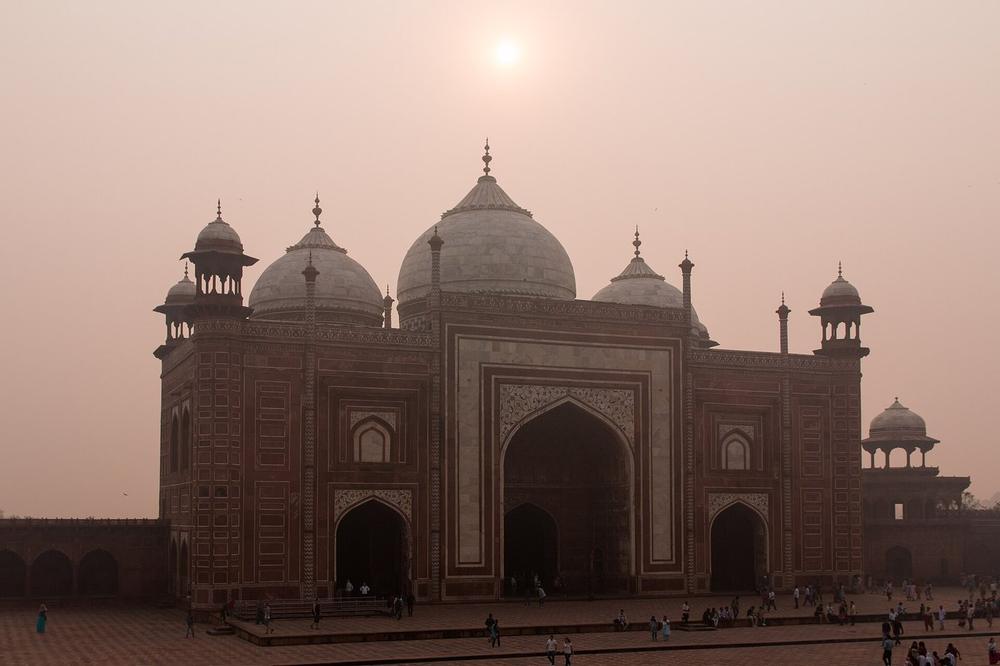
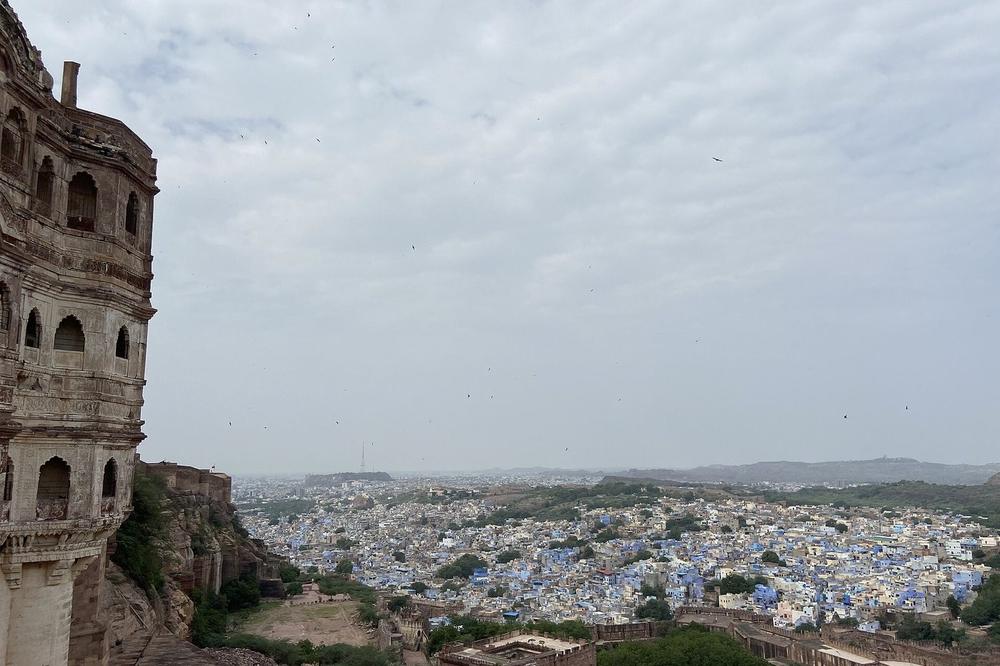
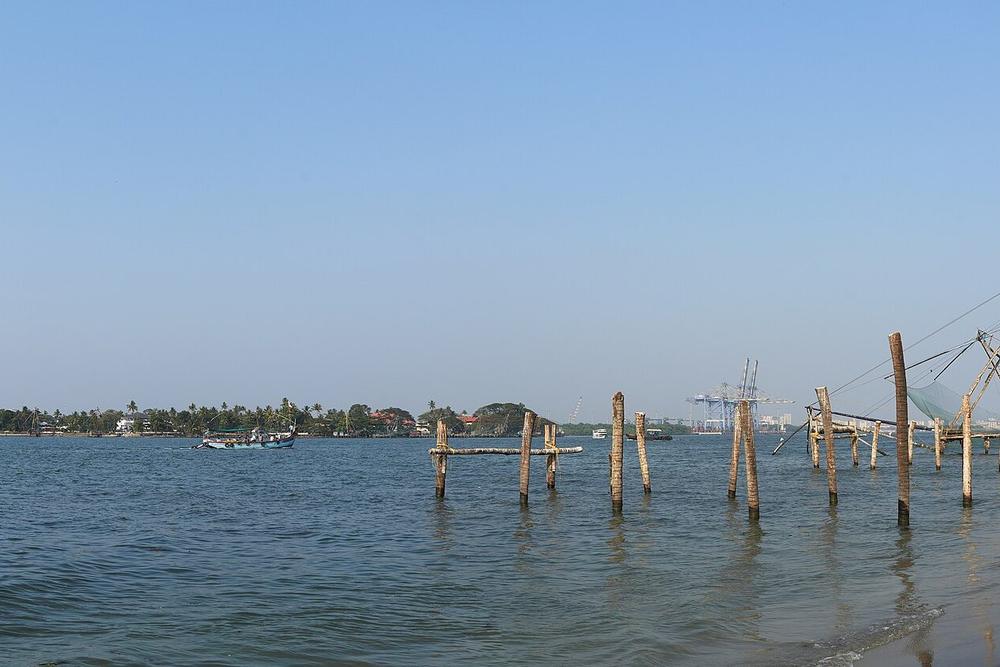
In pictures
When to skip it
- If your only travel window is May or June and you want the north. Rajasthan in those two months reaches daytime temperatures that no amount of air conditioning makes reasonable, and the season is October to March for good reason. Go to the Himalaya or to Central Asia instead and come back in February.
- If somebody in the party has a respiratory or cardiac condition and the dates are fixed in November, December or January. The Delhi air in that window is a medical question rather than a comfort one. A southern route solves it completely; a northern route with a single arrival night in Delhi mostly solves it.
- If you want one country in seven days. India will give you three cities and four transfers, and you will spend the flight home wishing you had gone to Sri Lanka or Cambodia instead.
- If a tiger sighting is the point rather than a bonus. Ranthambore runs ten safari zones allocated by permit rather than by preference; the lower-numbered five have historically produced the better sighting rates, the higher five are quieter, and in the monsoon the productive half of the park shuts entirely. A trip built around big cats is a different trip, in a different park, at a different time of year.
- If the part of India you had in mind is Kashmir. The UK FCDO advises against all travel to Jammu and Kashmir, apart from air travel to and from and within Jammu city, and against all travel within 10 km of the India–Pakistan border in Gujarat and Rajasthan; it advises against all but essential travel to Manipur. We do not sell any of them, and we will not build a route that touches them.
Journeys that go here
Two country journeys and two grand voyages reach India, and they divide by region rather than by budget.
The north is Rajasthan and the Golden Triangle in twelve days, Delhi to Udaipur, which does the Taj and Jaipur properly and then keeps driving west into the desert cities that most four-day Golden Triangle trips never reach. The south is Kerala in ten days, Kochi to Trivandrum, which is coast, tea, forest and flat water and has no fort in it at all.
For longer, India, Nepal and Bhutan in twenty-one days runs Delhi to Paro to Kathmandu and is the only sensible way to hold all three of those countries in one trip. Sri Lanka and south India in nineteen days pairs the island with Kerala across a short flight, and is a better use of nineteen days than a slower version of either half.
Tell us the month first
Send your dates and the number of travellers before you send a wish list. In India the month decides which half of the country we should be talking about.
Questions travellers ask most
What does the Indian e-visa cost, and when do we apply?
Thirty days on an e-Tourist visa costs USD 25 unless you land between April and June, when it falls to USD 10; the one-year document is USD 40. Whichever you buy, 3 per cent is added as a bank charge. British passports sit on a higher reciprocal rate than American, European and Australian ones, so check the official calculator and not an agency page.
Applications open 120 days ahead, close four days before arrival, and are usually decided inside about three days. A month out is the sensible habit. Every country on this site is covered on our visas and entry page.
How bad is Delhi’s air, really?
Bad seasonally, and a thing to plan around rather than to fear. Roughly October to January is the window, and the mechanism is crop burning upwind, a winter inversion that will not let it disperse, and city traffic and construction underneath. The October 2025 measurement put the capital back inside the world’s ten most polluted cities above 200, on an annual average of about 178 the year before.
For the other seven months it is an ordinary large Asian city, and the old town, Humayun’s tomb and the Lutyens avenues are among the best things in northern India. Inside the bad window the answer is early hours, short afternoons and a quick departure. Say at the enquiry stage if there is asthma or a cardiac condition in the party: that changes which half of the country we recommend, not merely the hours we sightsee in.
Are the travel advisories a problem for a normal trip?
No, because the flagged areas and the touring areas do not overlap. The UK FCDO advises against all travel to Jammu and Kashmir, other than air travel to and from and within Jammu city, and against all travel within 10 km of the India–Pakistan border in Gujarat and Rajasthan. It advises against all but essential travel to Manipur, and urges caution in parts of the north-east and in Naxalite-affected districts.
None of that touches Delhi, Agra, Rajasthan, Kerala or the south. We do not sell any journey that enters a do-not-travel area, in India or anywhere else, and we will not build one on request. The wider picture is on safety and advisories.
North or south — and can we do both?
Do both only if you have three weeks. They are not two versions of one country: the north is fort, desert, distance and volume, the south is water, green and quiet, and a fortnight split between them buys two half-trips and a domestic flight.
If the dates are November to March and the appetite is for architecture, take the north. If the dates are December to February, or if this is a first trip to Asia and the noise is the worry, take the south. With nineteen days or more, the better pairing is usually the south with Sri Lanka rather than the south with the north.
Read next
Tell us about the journey you have in mind
Dates, party size and the places you care about are enough to start. You get a draft route and an indicative price, not a brochure.