South Korea: seven to ten nights, and what fills them
A country you can cross end to end in two and a quarter hours, where most of what looks old was rebuilt after 1953, and where the entry rules change on 31 December 2026. Here is what that means for the shape of a trip.
At a glance
| Region | Northeast Asia |
| Nights that work | 7 to 10 |
| Best months | April to June, September to November |
| Worst window | The jangma rains, beginning some time in June or July |
| Airport | Incheon (ICN), which handles virtually all international traffic |
| Entry | Up to 90 days visa-free; K-ETA suspended for 67 countries to 31 December 2026 |
| Getting around | High-speed rail down the Gyeongbu line, a private car off it |
| End to end | Seoul to Busan in 2 hours 15 minutes at best |
| Language | English is common in Seoul and thin in the small towns |
What this country actually is
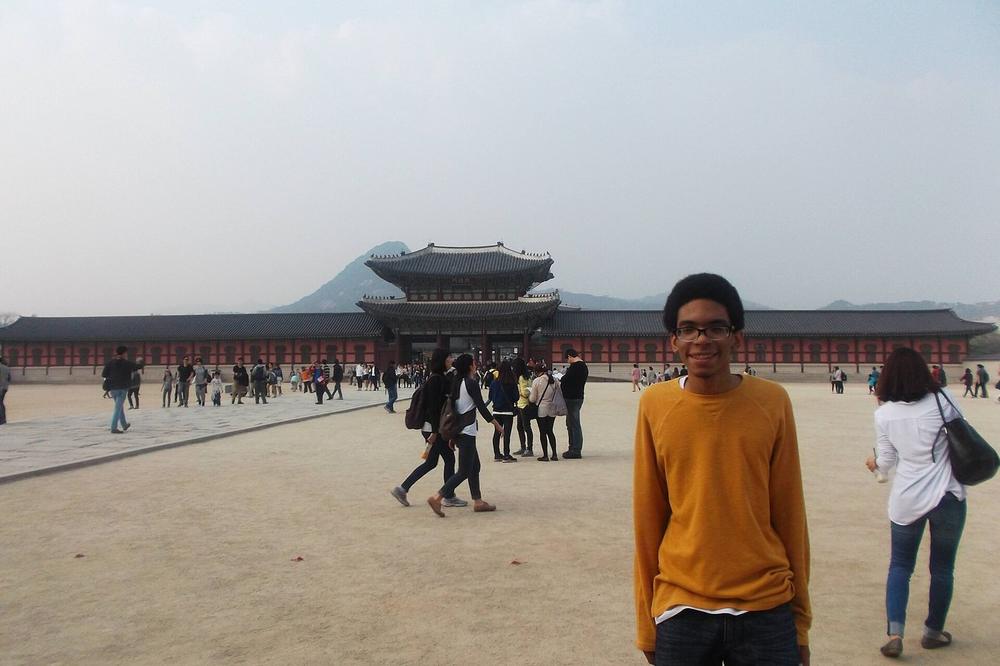
Start with the fact that shapes every day of a Korean itinerary: the twentieth century took the building stock away. The colonial period pulled a great deal of it down, the war between 1950 and 1953 flattened much of the remainder, and the reconstruction since has been fast, enormous and unsentimental. Very little of what looks old in Korea is old. Seoul’s main palace is for the most part a rebuild, and the rebuilding has not finished.
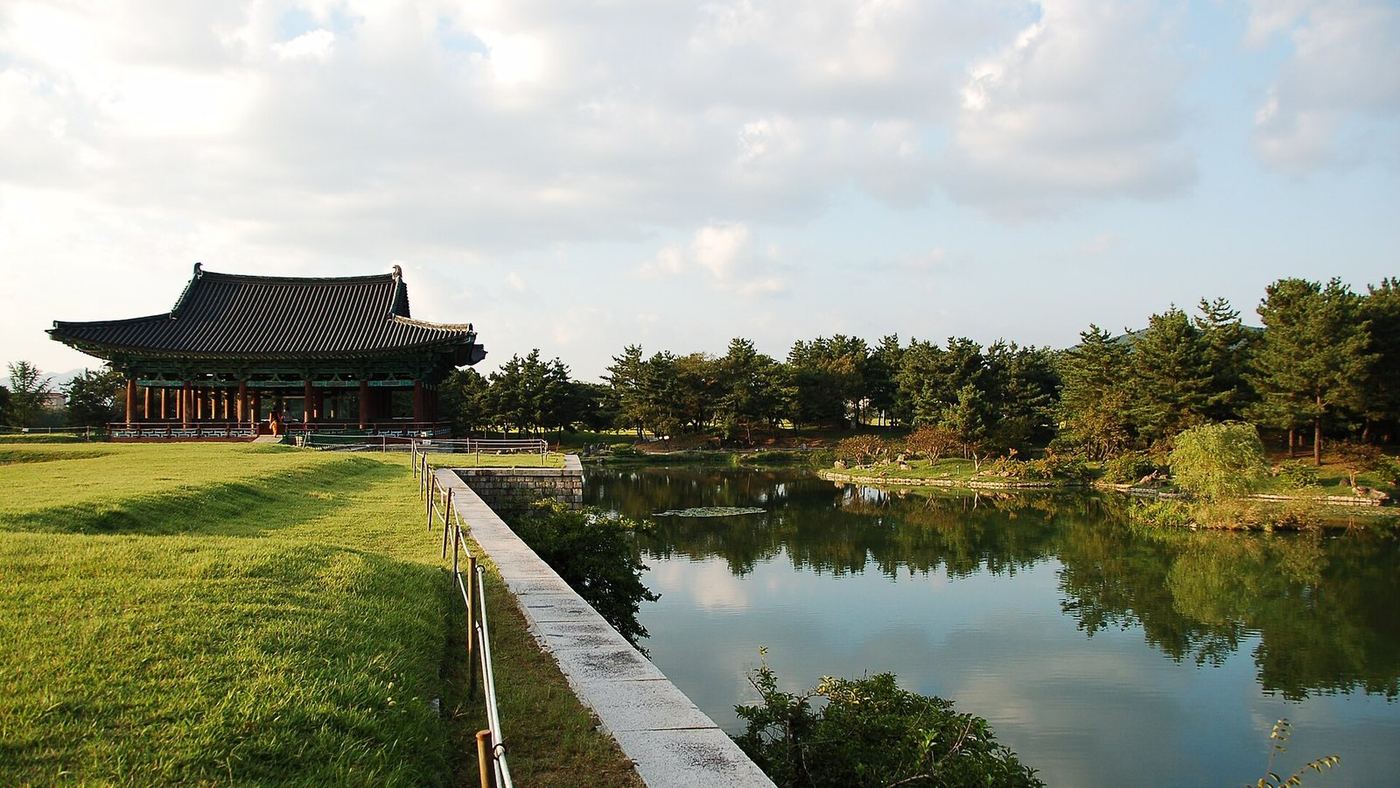
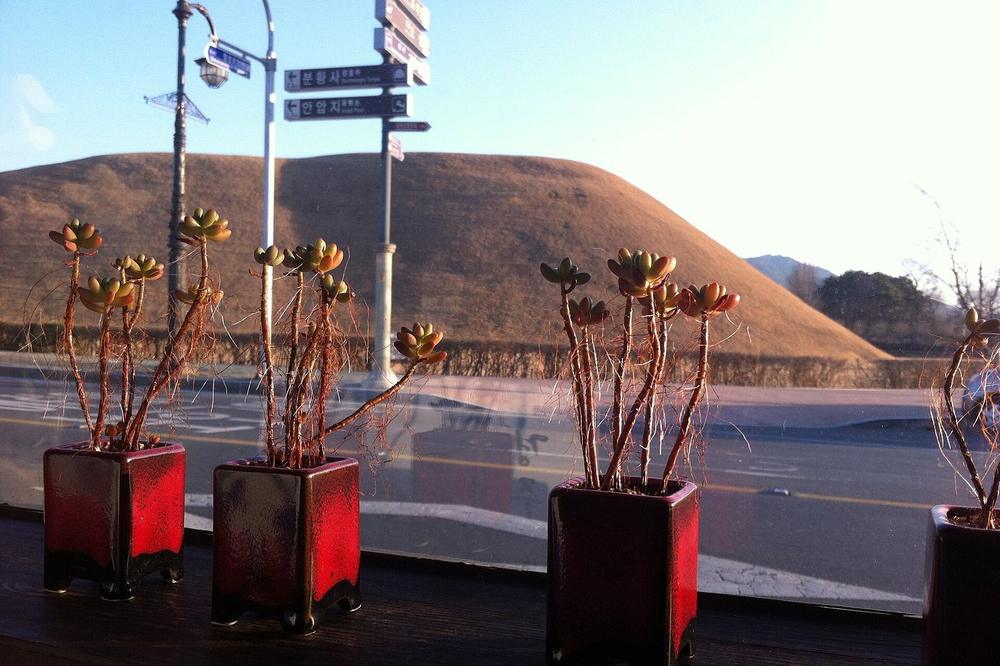
That is a description rather than a complaint, and it explains where the pleasure of the country lies. It is not in accumulating monuments. It is in a capital that runs at full speed and eats extremely well, in mountains that start at the edge of every city, in a coastline that changes character every fifty kilometres, and in the two or three places where the deep past did come through. Gyeongju is the principal one: a country town where fifth-century royal tombs stand among the houses like green hills.
The second thing to understand is the gravitational pull of the capital. Most flights land there, most visitors stay there, and a good number never leave. Seoul deserves three or four nights and it is not the country. What lies beyond it is quieter, older, slower and far less used to foreign faces, and it is where a trip stops resembling everybody else’s.
The drawback to state plainly is that Korea does not photograph the way its neighbour does. Anyone arriving with Japan’s temple density in mind will spend the first week recalibrating. What is offered in exchange is ease: short distances, superb trains, very little friction, food that repays every meal, and far fewer people in front of you at the sights.
How many nights, and what breaks if you take fewer
Seven nights is the lower bound and ten is where the country stops being Seoul plus an excursion. The shape that works is three or four nights in the capital, then five or six spread down the Gyeongbu corridor towards the south coast.
Cut to five and Gyeongju is what falls out first, which removes everything older than the nineteenth century from the trip. Cut to four and you have bought a city break in Seoul, which is a perfectly good holiday and ought to be described as one. The night that surprises people is the one spent inside a working monastery: up before light for the service, food taken without conversation, a mat laid on a warm floor, and no view of anything. It is the least comfortable night of the week and it is regularly the one guests still talk about a year later.
Push to ten and the additions are the coast beyond Busan, the Jeolla provinces in the south-west where the cooking is at its best, or Jeju island off the southern tip. Whether ten Korean nights beat splitting a fortnight with Japan is worked through under how many days.
When to go
| Window | What you get | What it costs you |
|---|---|---|
| April to early June | The best-tempered stretch of the year: blossom, then green, dry and mild | Everybody else has worked this out as well |
| Mid-June into late July | Jangma, the summer rains | No calendar to speak of: two to six weeks long, and the finish moves by a fortnight from one year to the next |
| August | Heat, festivals, and the coast finally open | Humidity rather than rain is the problem; the official swimming season only opens at the end of July or into August, jangma being part of the reason |
| September to November | Air at its clearest, colour on the mountains, the widest choice of days | Late autumn books out early, particularly in the capital |
| December to March | Cold, dry and empty, with the food and the bathhouses doing the work | Short days and real cold; this is not a walking-holiday window |
The most useful thing to know about the Korean calendar is that the rainy season has not got one. Jangma arrives some time in June or the first days of July and lasts between two and six weeks, and the finishing date shifts by a fortnight or more between years. Nobody can sell you a dry mid-July, and anybody trying should be treated with suspicion.
Its upside is real. The rain does not fall all day, the hills are green in a way they never are in October, rooms can be had at short notice, and Seoul carries an unusual amount of indoor life — galleries, covered markets, bathhouses, and a food culture that improves in bad weather. A wet July built around cities and museums works. A wet July built around hiking does not.
Getting there and getting around
Incheon takes virtually all international traffic and was built out on reclaimed ground to the west of the capital, which makes the transfer a matter of the clock rather than the map: fast at midday, slow once the evening peak begins. Regional connections are short. Narita to Incheon takes about 2 hours 40 minutes in the air, and Incheon to Taipei roughly 2 hours 30 to 2 hours 35, which is why Korea pairs so easily with its neighbours.
Entry has a date attached to it. The K-ETA registration is suspended for 67 countries and territories through 31 December 2026, and the list takes in the United States, the United Kingdom, every EU state and Australia. That suspension is temporary by design and has been rolled forward before, and it is a different thing from the 90-day stay most Western passports already receive, which none of this touches. For a 2027 departure, plan on the basis that the registration comes back unless it is extended again, and check both at booking and before ticketing. The rest of the region is covered under visas and entry.
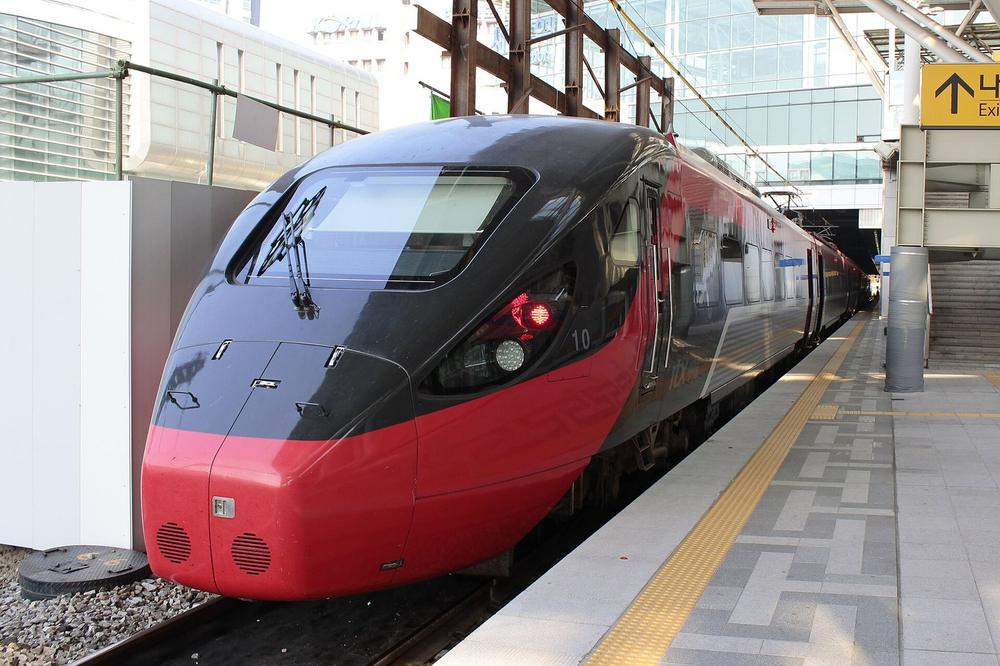
The railway is what makes the country feel small. The Gyeongbu line joins Seoul to Busan in 2 hours 15 minutes at its fastest, with most services taking 2 hours 30 to 2 hours 50 once the stops are counted, at KRW 53,900 for a standard one-way seat, about KRW 78,400 in first, and KRW 107,800 for the return. Nearly everything a first visit wants stands on that corridor or within half an hour of it.
One change is worth knowing about because so much published advice predates it. The country’s two high-speed networks merged on 1 September 2026: what used to be an SRT train is now sold under the KTX-Sancheon name, and one Korail+ search returns Suseo departures alongside those from Seoul Station. If you are buying a Korail Pass of your own, make sure Suseo trains are included before you pay.
What it costs on the ground
Among the three countries we sell in this corner of Asia, Korea is the cheapest, and the gap against Japan is wide enough to change what a fortnight looks like. A five-star room in Seoul or Busan costs materially less than its equivalent in Tokyo or Kyoto, which is why the upper grade of a Korean itinerary is frequently better value than the middle grade of a Japanese one.
The ground cost worth quoting exactly is the railway, because it is the backbone of every itinerary: KRW 53,900 for a standard seat down the full length of the country, KRW 78,400 in first class, as at September 2026. First class earns the difference on the long run and is pointless on a short leg. Admission charges at palaces, temples and museums are low by regional standards, and Korea has not followed its neighbour into visitor-specific pricing.
Where a Korean budget tends to slip is food and taxis in the capital, both good enough that people use more of them than they intended. Day rates by country, before any operator margin, are broken down under what a day costs.
In pictures
When to skip it
- You are travelling in 2027 and cannot face an entry registration. The K-ETA suspension expires on 31 December 2026, and while it may well be renewed, nobody is in a position to promise that today.
- You need a dry stretch in the second half of June or in July. Jangma keeps no calendar, and the variation between years is measured in weeks rather than days.
- You have come for pre-modern architecture. Outside Gyeongju and a handful of palaces and monasteries, most of what stands here went up after 1953, and much of the rest was put back rather than preserved.
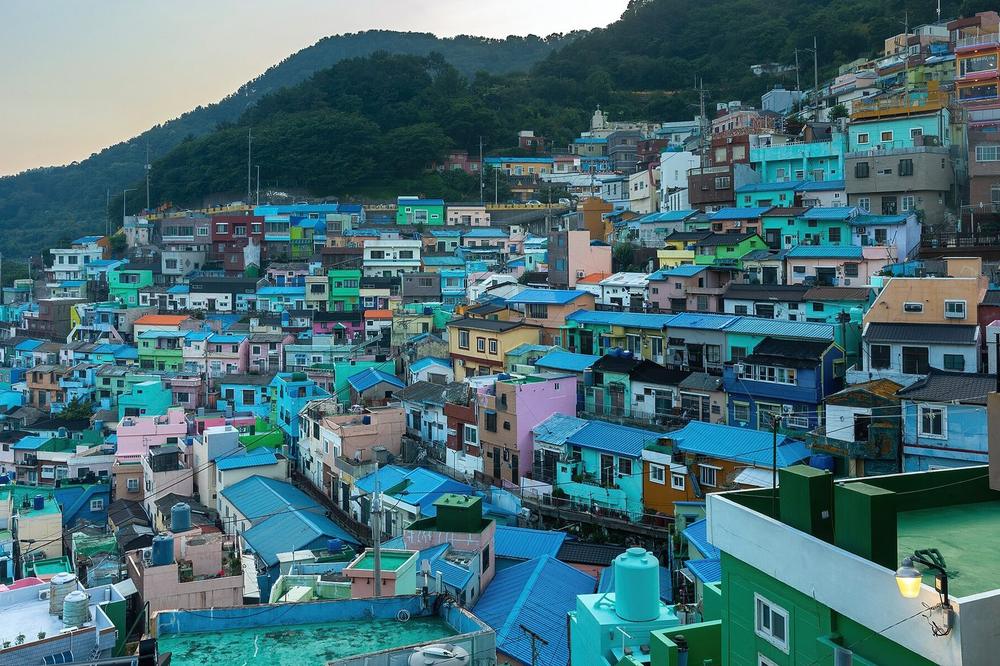
- Gradients are a problem for you. Busan climbs straight out of the water, the monasteries sit above the towns that own them, and a great deal of the capital is stairs.
- You want Korea and Japan inside a single nine-day trip. The hop from Narita to Incheon is about 2 hours 40 minutes, and that shortness is exactly what tempts people. What comes back is half of each country.
Journeys that go here
South Korea in 9 days runs from one end of the country to the other: three nights in the capital, one inside a working monastery, two among the Gyeongju tombs and two in Busan. That is the route this page describes, and nine days is where it stops being a sample of the country.
For the pairing most people actually want, Japan and South Korea in 18 days gives Korea six nights on the back of eleven next door, with one flight in the middle. Read Japan before settling that split, because the two countries are not interchangeable and the balance of nights is the whole argument. A single Korean city with more time in it is a conversation rather than a page.
Tell us the month first
Send the weeks you have and say whether a night in a monastery appeals or appals. The shape of a Korean trip follows from those two answers.
Questions travellers ask most
Is a K-ETA required?
Not for a 2026 arrival. Korea has suspended the requirement for 67 countries and territories, the United States, the United Kingdom, every EU state and Australia among them, and the suspension holds until 31 December 2026.
For 2027 the honest answer is that nobody knows yet. It has been renewed more than once, so renewal is plausible; it is also temporary by design, so plan on the basis that a registration may be needed and check again close to departure. Either way it stands apart from the 90-day visa-free entry that most Western passports already receive.
How many nights does Korea actually need?
Seven at the least, and ten if the south is to be seen as well as the capital. Distance is not the reason — the fast train covers the country in 2 hours 15 minutes — it is that Seoul absorbs three or four nights on its own before anything else has started.
The practical test is Gyeongju. If the itinerary in front of you leaves it out, you are being sold Seoul with a day trip attached, and it ought to be priced and described as exactly that.
Has the high-speed rail merger changed anything for visitors?
Mostly it removes a confusion. Until 1 September 2026 the country ran two high-speed operators with separate booking systems and separate departure stations in the capital, and half the advice online still describes that world. The old SRT services now carry the KTX-Sancheon name and both sets of departures come up in one search.
On a private journey with the seats reserved on your behalf the change is invisible. It matters only if you are buying a pass of your own to cover extra days before or after the itinerary, in which case confirm that Suseo trains are included before you hand over any money.
Should we add Korea to a Japan trip, or keep them separate?
Add it at eighteen days or more, and keep them apart at twelve. Six nights is where Korea reads as a country rather than a stopover, and eleven is where Japan stops being a sprint. Below those numbers something is being short-changed, and it is usually Korea.
The flight is not the constraint. It is well under three hours, and the two airport days at either end cost far more of the holiday than the flying does. Time, not distance, is what makes a two-country trip expensive.
Read next
Tell us about the journey you have in mind
Dates, party size and the places you care about are enough to start. You get a draft route and an indicative price, not a brochure.