Amman to Aqaba, with two days at Petra
Jerash, the Dead Sea, the King's Highway, Petra on a two-day ticket rather than a one-day sprint, a night under canvas in Wadi Rum, and the Red Sea at the end of it.
At a glance
The US State Department has Jordan at Level 3, Reconsider Travel, updated on 29 August 2026, following the US–Iran conflict that began on 28 February 2026. Its Level 4 do-not-travel zones are the Syrian and Iraqi border regions, the Syrian refugee camps, Rusayfah City and the Baqa'a neighbourhood of Ayn Basha; it separately flags heightened risk in Zarqa City and in Ma'an Governorate. The UK Foreign Office removed its blanket advice against all but essential travel on 3 June 2026 and now advises against travel only within 3 km of the Syrian border, while noting continuing risk of regional strikes and flight disruption.
Amman, Jerash, the Dead Sea, Petra, Wadi Rum and Aqaba — the whole of this route — lie outside the Level 4 zones. Wadi Musa, the town at Petra's gate, sits inside Ma'an Governorate, which carries the heightened-risk flag rather than a do-not-travel one, and we would rather you read that here than find it yourself afterwards.
What we do about it: every departure carries flexible cancellation terms, we monitor both advisories and the airspace notices daily, and we will not run a journey we would not send our own family on. Whether the advisory is acceptable to you is your decision and your insurer's, and it is not one we will make for you or talk you out of.
- Duration
- 9 days, 8 nights
- Party
- Private, 2 to 8
- Starts
- Amman
- Ends
- Aqaba
- Difficulty
- Moderate, Petra is walked
- From
- USD 3,300
Jordan is small and the driving is short, which is what allows a nine-day itinerary to hold six places without feeling like a bus timetable. The whole country runs down one spine from Amman to Aqaba, and this route goes down it once, in order, without a single backtrack.
The decision that shapes everything else is three nights at Petra. Most nine-day itineraries give it one full day, which buys the Siq, the Treasury and the Royal Tombs, and sends people home believing Petra is a facade in a gorge. It is a city of several square kilometres with a monastery up a rock-cut stair at the far end of it, and the second day is the one where that becomes obvious.
The two-day Petra ticket costs 55 JOD against 50 for one day at the accommodated rate, as at September 2026. Five dinars for a second day is the best-value line item in Jordanian tourism, and an operator who leaves it out is saving your money in the wrong place.
Day by day
The Jordan Pass comes in three tiers — Wanderer 70 JOD, Explorer 75 JOD and Expert 80 JOD — which differ only in how many days at Petra they cover, and it includes more than forty other sites plus the tourist e-visa. The visa waiver applies only if the pass is bought before arrival and you stay a minimum of three nights. This journey is eight nights, so it qualifies comfortably.
The arithmetic for this route, at September 2026 rates: Explorer at 75 JOD against Petra two days at 55, Jerash at 12, Wadi Rum at 5, the Amman Citadel at 3, the Roman Theatre at 2, Mount Nebo at 3 and Karak at 2 — 82 JOD if bought separately, before the visa fee. Petra by Night is not in the pass and needs its own ticket even for pass holders.
Arrive Amman
Met at Queen Alia and driven into the city. Nothing is scheduled beyond getting you horizontal. If your pass was bought before departure, the visa desk is a formality rather than a queue with a card machine at the end of it.
Amman is built on hills and is louder and more ordinary than most visitors expect, which is a point in its favour. It is a working Arab capital that happens to have a Roman acropolis in the middle of it.
Jerash, and Amman in the afternoon
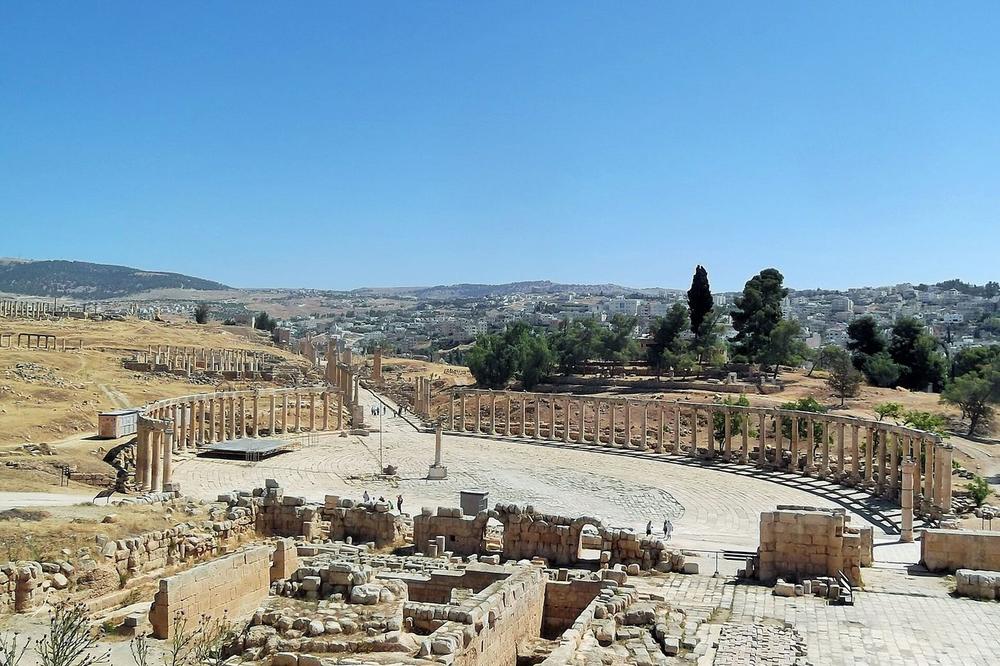
North first, because Jerash is best before the heat and before the cruise excursions arrive from Aqaba. What survives there is not a ruin so much as a street plan: an oval forum, a colonnaded cardo with the ruts of cartwheels still in the paving, two theatres and a hippodrome. Entry is 12 JOD, covered by the pass.
Back in the city for the afternoon: the Citadel on its hill with the Temple of Hercules and the Umayyad palace, 3 JOD, and the Roman theatre cut into the slope below, 2 JOD. Dinner in Jabal Lweibdeh, which is where Amman eats when it is not feeding visitors.
Madaba, Mount Nebo and down to the Dead Sea
Madaba first, for the sixth-century mosaic map of the Holy Land laid in the floor of a church that was rebuilt over it; the archaeological park is 3 JOD. Then Mount Nebo, 3 JOD, where the view runs west over the Jordan valley to the hills beyond on a clear day and to nothing at all in haze, which is worth saying in advance.
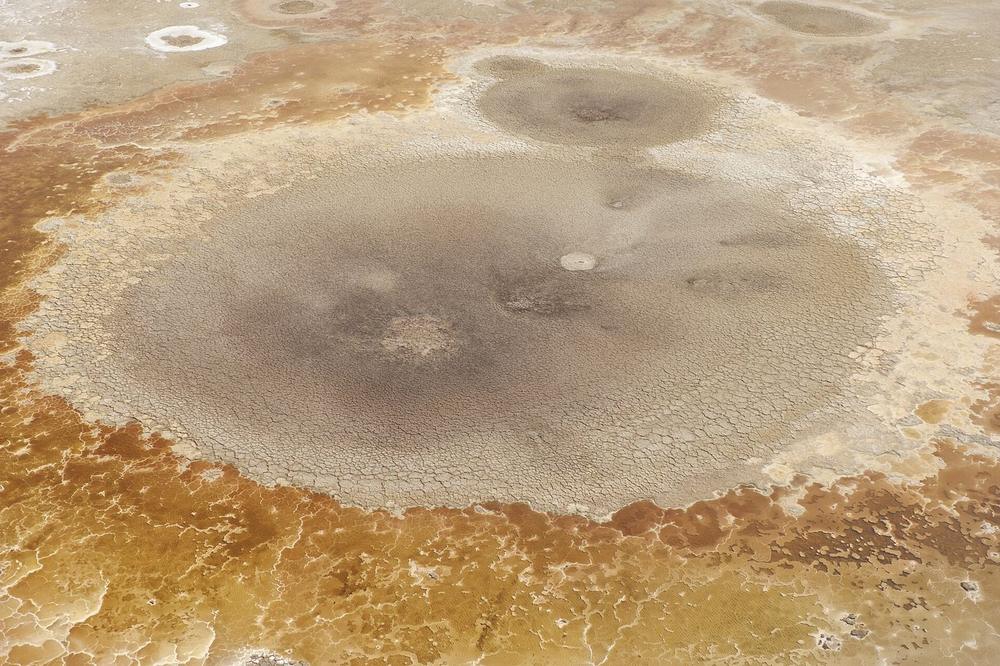
The road then drops below sea level and keeps dropping. There is no public gate at the Dead Sea and no single entrance fee; access is through the resorts, whose day passes run from roughly 25 to 65 JOD depending on the property, and staying the night makes that question disappear. Float before sunset, rinse immediately, and do not shave that morning.
The King's Highway to Petra
South on the old road rather than the fast desert highway. It costs a couple of hours and it is the only version of this drive worth taking: the Wadi Mujib canyon, which the road crosses on a hairpin descent and climb, and Karak castle on its spur, 2 JOD, which is Crusader work sitting on much older foundations.
Walkers who want the Mujib siq trail instead should say so early. It runs 21 to 44 JOD depending on the route, it is a wet canyon scramble rather than a walk, and it closes outside the warm months. Arrive at Wadi Musa in the late afternoon; the first evening is deliberately free because tomorrow starts at the gate.
Petra, the first day
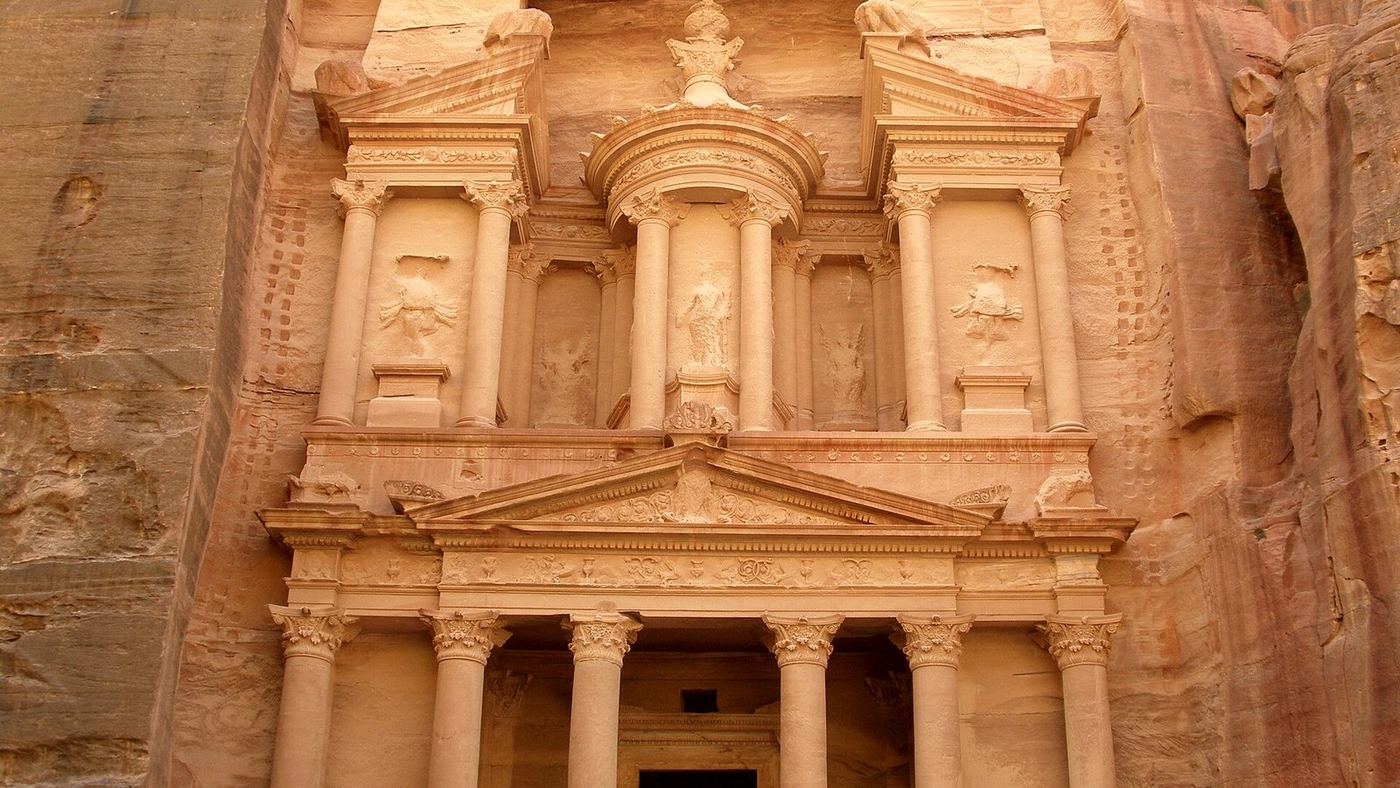
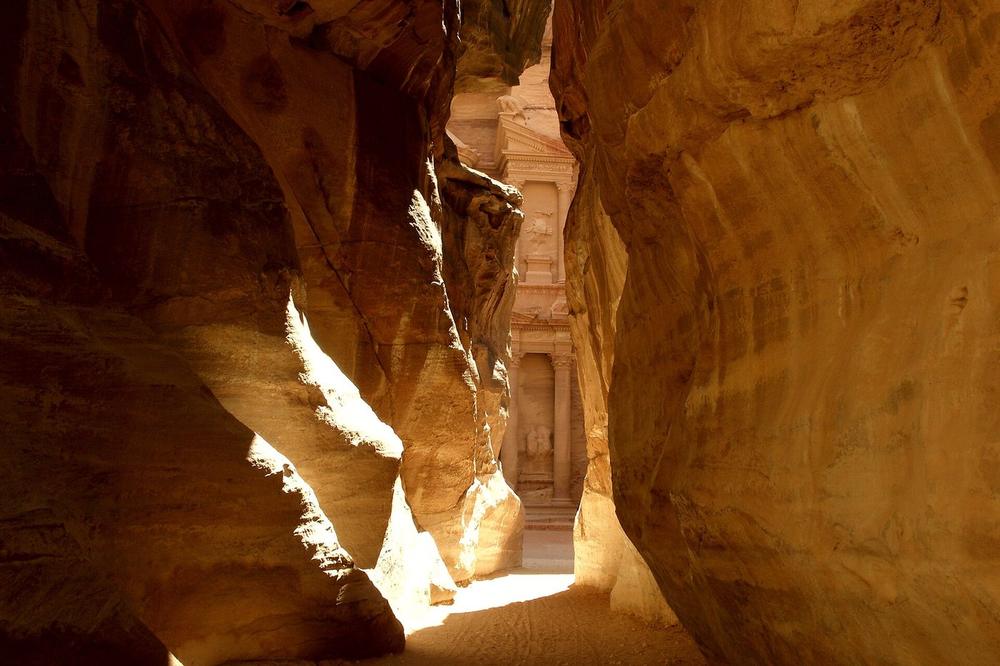
At the gate for opening. The Siq is a fault in the rock rather than a carved passage, and it narrows and turns for the better part of a kilometre before it gives you the Treasury through a gap barely wider than a doorway. Being first through it is the single thing this itinerary is arranged around.
Then the Street of Facades, the theatre cut into the rock face, and the climb to the Royal Tombs, whose sandstone is banded in colours that photograph badly and look extraordinary in person. Lunch out of the sun, then the colonnaded street and the Great Temple in the late afternoon on the way back out.
Petra, the second day, and the stair to the Monastery
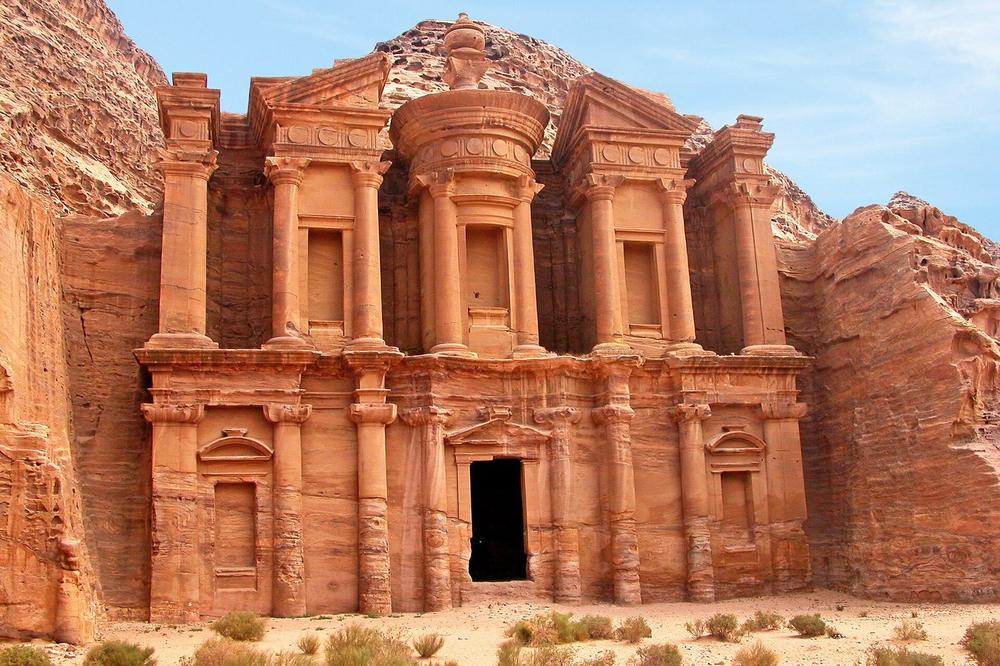
The day that justifies the ticket. Ad Deir, the Monastery, sits at the top of a long rock-cut stair at the far end of the city, and it is larger than the Treasury and almost always quieter. There are donkeys for hire on the stair and we ask you not to use them; the animals work the same climb all day in the heat.
The alternative or the addition, depending on legs, is the High Place of Sacrifice, which climbs the other side of the valley and can be walked down through the Wadi Farasa rather than retraced. Petra by Night runs on set evenings, is not covered by the Jordan Pass, and needs a separate ticket which we book if you want it.
Petra to Wadi Rum
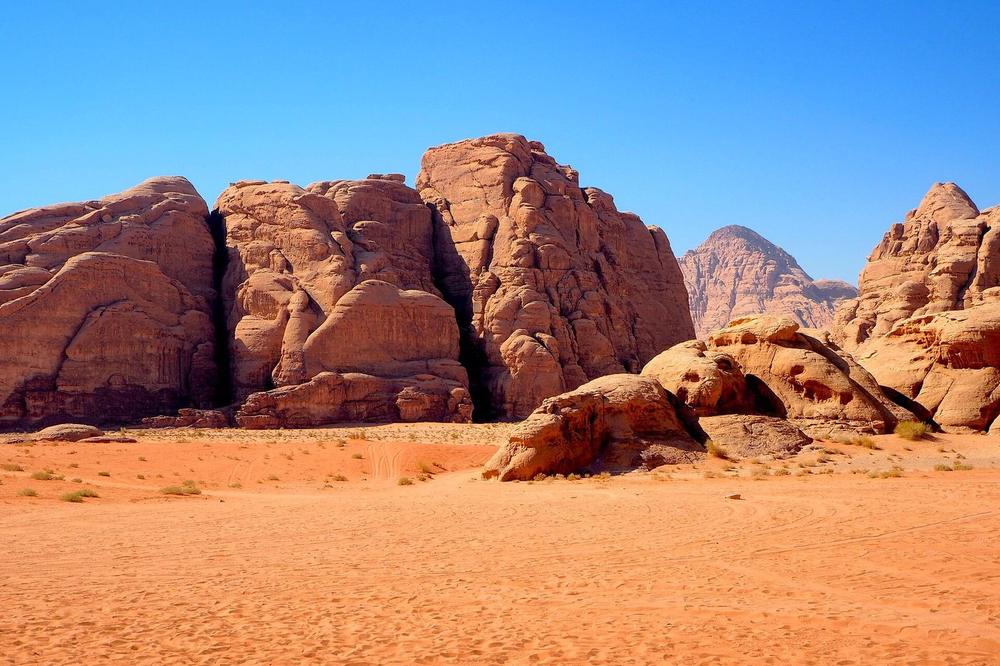
A short drive south to the Wadi Rum protected area, entry 5 JOD, where the car is left behind and the afternoon is spent in the back of a pickup with a Bedouin driver. Sand the colour of rust, granite and sandstone towers rising straight out of it, and rock inscriptions that predate every ruin you have seen this week.
The camp is out in the protected area rather than on its edge. Evening is bread cooked in sand, then the sky, which is the actual reason to sleep here: there is no settlement close enough to put light into it. Nights drop below freezing in winter and the camps are heated but not warm, so pack for it.
Wadi Rum to Aqaba
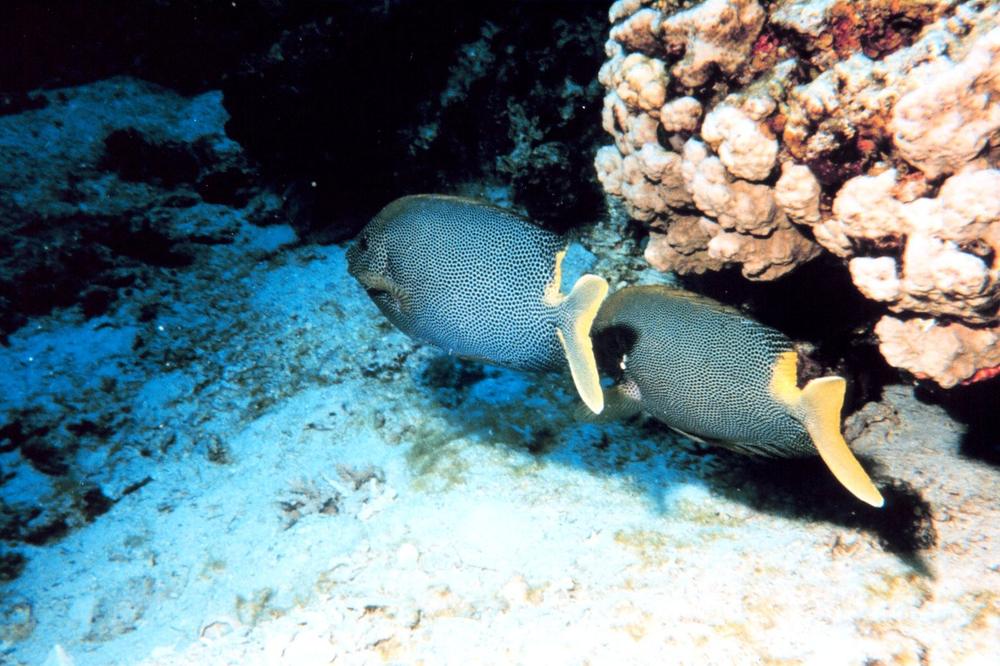
Out of the desert in the morning, with a stop at whichever arch or siq the driver rates that week, and down to the Red Sea. Aqaba is a port and a duty-free town and it is not beautiful, and it has the only coral reef in the country, most of it within a short drive south of the city.
The afternoon is snorkelling or diving over the Japanese Gardens and the sunk military hardware that has been put down as artificial reef, or simply the hotel pool if a week of sandstone has been enough. Four countries are visible from the beach on a clear evening.
Depart Aqaba
Breakfast, then the transfer to King Hussein International for the flight to Amman or a regional connection. Parties flying home from Amman instead drive north on the desert highway, which is most of a day and which we would rather build as its own day than squeeze onto a departure morning.
What it costs
| Party size | Comfortable | Considered |
|---|---|---|
| 2 travellers | USD 4,500 | USD 6,100 |
| 3 – 4 | USD 3,750 | USD 5,100 |
| 5 – 8 | USD 3,300 | USD 4,500 |
A driver-guide is the normal way to cover the Amman to Aqaba circuit and the day rate for a multi-day Petra, Wadi Rum and Aqaba route runs roughly 92 to 113 JOD depending on vehicle and season. That cost sits on the party, not the head, which is why two travellers pay about a third more each than a party of five for exactly the same journey.
Comfortable is a good four-star in Amman and Aqaba, a Dead Sea resort with its own shore, a hotel within walking distance of the Petra gate, and a private tent with a bathroom in Wadi Rum. Considered buys the top of the Dead Sea and Petra markets and the larger desert camps. Wadi Rum is the honest limit: budget camps in the protected area start at around USD 28 a night per person and the ceiling is a long way below what a five-star hotel means anywhere else.
The Jordan Pass is included in both grades because it is cheaper than the sum of the tickets and it removes the visa fee. What a day on the ground costs across the region, before any margin, is set out on the prices page.
What is and is not included
What the price includes
- Eight nights as listed, named by property in your quote
- The Jordan Pass, Explorer tier at 75 JOD, which covers the two-day Petra ticket and waives the entry visa fee
- A private vehicle and an English-speaking driver-guide for the whole route
- The Wadi Rum 4x4 afternoon with a Bedouin driver, and the camp
- Jerash, the Amman Citadel, the Roman Theatre, Madaba, Mount Nebo, Karak and Wadi Rum entries
- Meals as listed day by day, and drinking water in the vehicle
What it does not include
- International flights into Amman and out of Aqaba or Amman
- Travel insurance, which we require and do not sell — check that your policy responds while a Level 3 advisory stands
- Petra by Night, which the Jordan Pass does not cover
- Dead Sea spa treatments, and diving at Aqaba
- The Wadi Mujib siq trail, 21 to 44 JOD by route, if you choose it
- Meals not listed above, all drinks, and tips
The journey in pictures
Who this journey is wrong for
- Anyone for whom an elevated advisory is not something they want to weigh. Jordan sits at US Level 3 and the UK position, though eased in June 2026, still notes regional risk and possible flight disruption. That is a real decision and we would rather you make it now than at the airport.
- Anyone who cannot walk ten kilometres or more on two separate days. Petra is not a viewpoint; the two days in it involve long distances on sand, gravel and rock-cut stairs, and there is no vehicle access beyond the gate.
- Travellers booking July or August. The Dead Sea shore regularly reaches 40 degrees and Wadi Rum runs around 34 in the daytime, which turns the Petra days into a survival exercise rather than a visit.
- Anyone planning to cross into Israel, the West Bank or Syria in the same trip. The Syrian border strip carries do-not-travel advice from both governments and we do not go near it, and the western crossings need their own conversation about timing and insurance rather than a line on an itinerary.
- Anyone who wants a beach holiday with a temple attached. Aqaba gets one night here on purpose. If the Red Sea is the point, the Jordan and Oman voyage gives it a proper stretch and gives Oman's coast as well.
How this compares
| Journey | Days | Countries | From |
|---|---|---|---|
| Jordan | 9 | Jordan | USD 3,300 |
| Jordan and Oman | 16 | Jordan, Oman | USD 6,300 |
| Oman | 10 | Oman | USD 3,900 |
| Uzbekistan | 10 | Uzbekistan | USD 2,700 |
Nine days is the right length for Jordan alone; the country does not hold a fortnight without repetition, and operators who sell twelve days here are usually adding nights rather than places. The case for two Petra days rather than one, and what the third night actually buys, is worked through on the Petra page. Where the advisories stand across every country we sell, and what we will not sell at all, is on safety and advisories.
Tell us your dates
Send the month and the number of travellers. We will come back with a draft and with the current advisory position in writing, so that you are deciding on the facts as they stand that week rather than as they stood when this page was written.
Questions travellers ask most
What does the current travel advisory mean for this journey?
As at September 2026 the US State Department has Jordan at Level 3, Reconsider Travel, updated 29 August 2026, following the US–Iran conflict that began on 28 February 2026. Its Level 4 do-not-travel zones are the Syrian and Iraqi border regions, the Syrian refugee camps, Rusayfah City and the Baqa'a neighbourhood of Ayn Basha, with heightened risk also flagged in Zarqa City and Ma'an Governorate. The UK Foreign Office dropped its blanket advice against all but essential travel on 3 June 2026 and now advises against travel only within 3 km of the Syrian border.
Amman, Jerash, the Dead Sea, Petra, Wadi Rum and Aqaba are outside the Level 4 zones. Wadi Musa, the town at Petra, is inside Ma'an Governorate and therefore inside the heightened-risk flag, which is not the same thing as a do-not-travel zone but is worth knowing.
Our part of it: flexible cancellation terms on every departure, daily monitoring of both advisories and of airspace notices, and a standing rule that we will not run a journey we would not send our own family on. What that risk is worth to you is yours to judge, with your insurer — we will give you the position in writing and we will not argue you into or out of it.
Which Jordan Pass do we need, and does it really cover the visa?
The Explorer tier at 75 JOD, because it carries the two-day Petra ticket. Wanderer at 70 JOD covers one Petra day and Expert at 80 covers three. All three include the tourist e-visa fee and more than forty sites, and the pass is valid three months from your entry date.
The visa waiver has one condition that catches people out: the pass must be bought before you arrive, and you must stay at least three nights in Jordan. This journey is eight nights, so it qualifies. A two-night stopover would not, and the pass would then be a site ticket only.
One thing it does not cover is Petra by Night, which needs its own ticket even for pass holders.
Why three nights at Petra when everyone else sells one day?
Because the second day costs 5 JOD and returns more than any other five dinars you will spend in Jordan. The accommodated rate is 50 JOD for one day, 55 for two and 60 for three, as at September 2026, and the day-tripper rate for anyone not staying overnight in the country is 90.
One day gets you the Siq, the Treasury, the theatre and the Royal Tombs, which is a good day and about a third of the site. The Monastery stair, the High Place of Sacrifice and the walk down through Wadi Farasa all belong to a second day, and doing them on tired legs in the afternoon of the first is how people end up remembering Petra as hot rather than as remarkable.
The third night exists so that the second Petra day is not also a driving day. You wake in Wadi Musa, walk, and leave for Wadi Rum the following morning.
Which months work, and what happens during Ramadan?
March to May and October to November, when the range runs about 18 to 28 degrees. October is the month most people who work here would choose. July and August are genuinely too hot: 40 degrees at the Dead Sea and around 34 in Wadi Rum in the daytime.
Winter is underrated and cold. Amman averages about 12 degrees in January, snow is possible in the capital and at Petra, and Wadi Rum nights fall below freezing. Petra in December with a clear sky and no queue is a real argument, as long as you pack as though for a European winter.
Ramadan is expected to begin around 8 February 2027, with Eid al-Fitr in early March. Major sites stay open and tourist hotels and restaurants keep serving; what changes is that daytime eating in public is limited, some opening hours shift, and Eid brings a domestic travel surge. It does not spoil the trip, and we will tell you before you book rather than after.
Read next
Tell us about the journey you have in mind
Dates, party size and the places you care about are enough to start. You get a draft route and an indicative price, not a brochure.